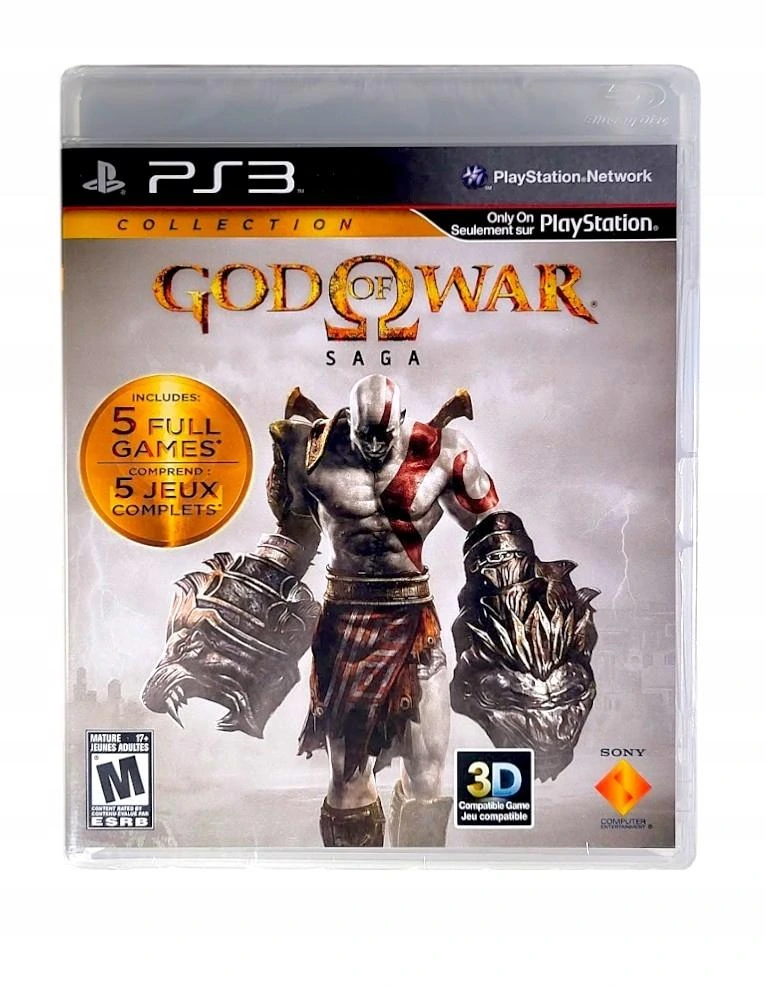
The original God of War trilogy is no longer just an old PlayStation action series. In 2026, it has become active history again. Sony has officially confirmed that the original Greek trilogy is being remade, while God of War Sons of Sparta has already brought Kratos back to his Greek roots through a new 2D action platformer developed with Mega Cat Studios. That makes now the right time to revisit the question behind the old trilogy: what actually inspired God of War before it became one of PlayStation’s defining franchises?
The answer is not one game, one film or one mythology book. God of War was shaped by Japanese action games, cinematic puzzle adventures, sword-and-sorcery violence, Greek tragedy, fixed-camera design and Santa Monica Studio’s desire to prove that a Western studio could build a third-person action game with the same confidence as Capcom or Konami.
The first God of War looked new in 2005 because the mixture was so sharp. But many of its ingredients had already been tested elsewhere.
Why This Question Matters More in 2026
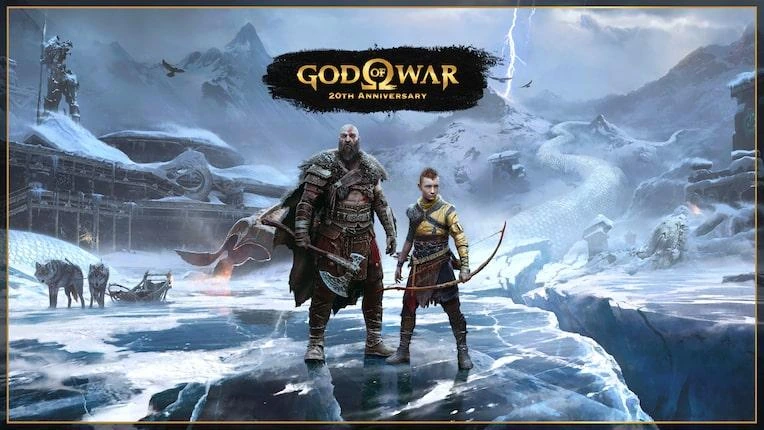
For years, the Greek God of War trilogy was mainly discussed as a finished era: God of War, God of War II and God of War III told the story of Kratos’ rage against the gods of Olympus. Then the 2018 reboot and God of War Ragnarök moved the series into Norse mythology, changing Kratos from a revenge machine into a father trying to live with the weight of his past.
But the Greek saga never stopped mattering. In 2025, PlayStation marked God of War’s 20th anniversary with a celebration of the franchise’s history, including artwork, developer material, music releases and retrospective items tied to the series from God of War 2005 through Ragnarök and Valhalla.
Now, in 2026, with a Greek trilogy remake officially in development and Sons of Sparta returning to Kratos’ youth, the old influences are not just trivia. They help explain what the remake will need to preserve: the rhythm, aggression, camera language, mythological excess and puzzle-action identity that made the original trilogy more than a simple hack-and-slash series.
Dark Odyssey: The Game Before God of War
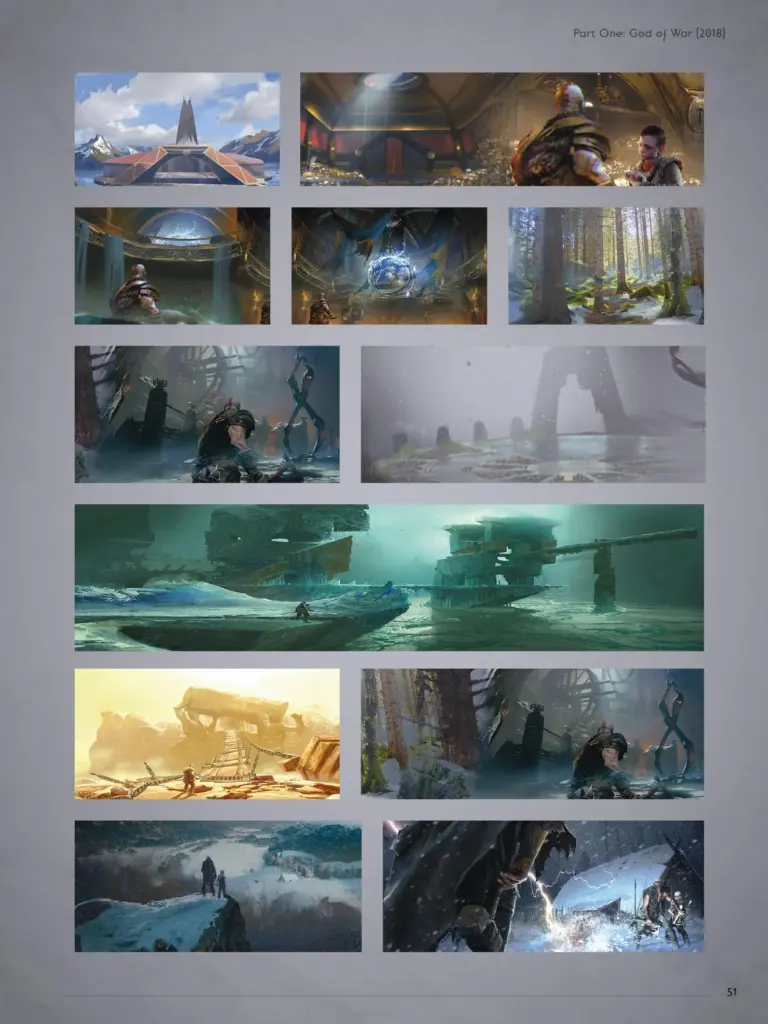
Before God of War had its final name, the project was known internally as Dark Odyssey. That title tells us a lot. The original idea was not just “Greek action game.” It was a dark mythological journey, a violent adventure built around gods, monsters, revenge and the cost of power.
The early development story is now well documented. God of War began under David Jaffe at Sony Santa Monica, after his work on Twisted Metal Black. The team included developers who would become crucial to the series, including Ken Feldman, Tim Moss, Stig Asmussen and later Cory Barlog. GamesRadar’s retrospective notes that God of War started life as Dark Odyssey in 2002 and that the project was built from a mix of Japanese game influence, cinematic action ideas and mythological spectacle.
That matters because God of War was not created only from mythology. Greek mythology gave it the world. The design influences gave it the playable shape.
Onimusha: The First Big Spark
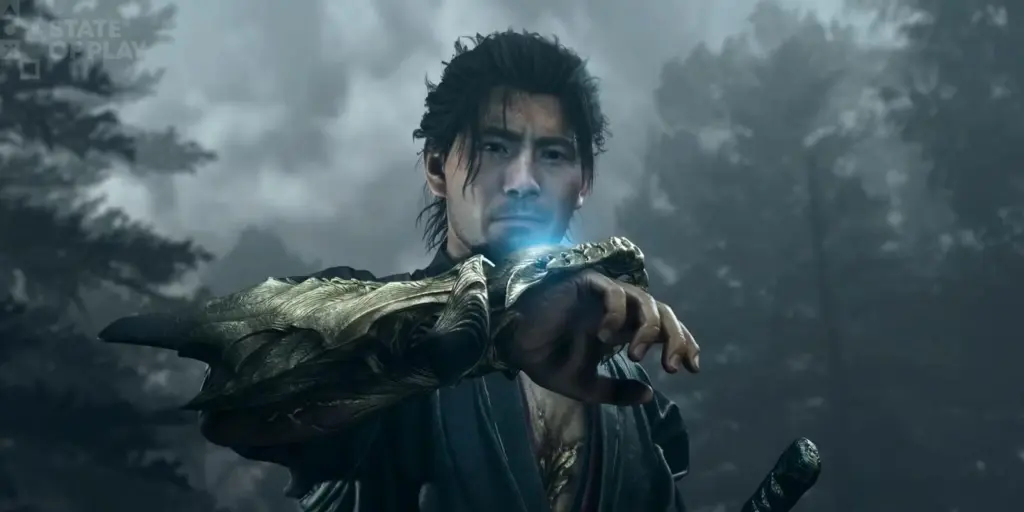
The clearest documented influence is Onimusha. David Jaffe has openly explained the core starting point: he played Capcom’s Onimusha and thought about doing a similar kind of game, but with Greek mythology instead of ancient Japanese mythology. GamesRadar’s retrospective repeats this directly: the starting point was essentially “Onimusha but with Greek mythology.”
That influence is easy to see. Onimusha had fixed camera angles, melee combat, demonic enemies, cinematic framing, historical fantasy and an upgrade loop built around power taken from defeated foes. God of War took several of those structural ideas and pushed them toward a louder, more theatrical direction.
In Onimusha, the player moves through designed spaces, fights supernatural enemies and upgrades weapons to become more powerful. In God of War, Kratos does the same through red orbs, weapon upgrades, new combos and magic attacks. The difference is tone. Onimusha is sharp and stylish. God of War is heavier, angrier and more operatic.
For the 2026 trilogy remake, this matters. If Sony wants to modernize the Greek games without losing their identity, the remake cannot treat them as simple action brawlers. The Onimusha-like structure — combat, exploration, locked spaces, upgrades, mythic enemies and fixed dramatic staging — is part of the original DNA.
Devil May Cry and the Feel of Stylish Combat
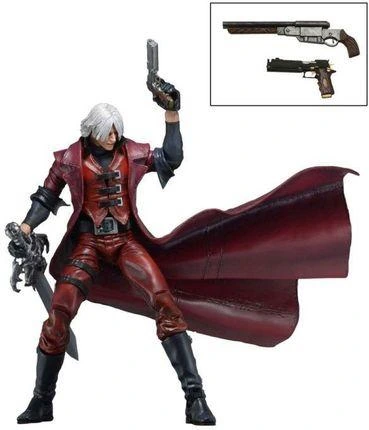
Devil May Cry was another major influence, not because God of War copied its combat exactly, but because it showed how satisfying third-person action could feel when attacks had rhythm, style and impact.
Devil May Cry made players feel like they were performing violence rather than simply executing it. Launching enemies, chaining attacks, switching movement patterns and creating visual spectacle were central to its appeal. God of War borrowed the idea that combat should look exciting even before the player fully masters it.
The crucial difference is accessibility. Devil May Cry asks for technical style. God of War asks for cinematic power. Kratos does not fight like Dante. Dante is cool, fast and stylish. Kratos is brutal, direct and overwhelming. The Blades of Chaos gave God of War its own combat silhouette: wide arcs, chains, grabs, slams and violent finishers.
That is why God of War became easier for mainstream players to enter than many deeper character-action games. It had enough combo variety to feel satisfying, but it rarely demanded the same mechanical precision as Devil May Cry or Ninja Gaiden.
Ico and the Puzzle-Adventure Side of God of War
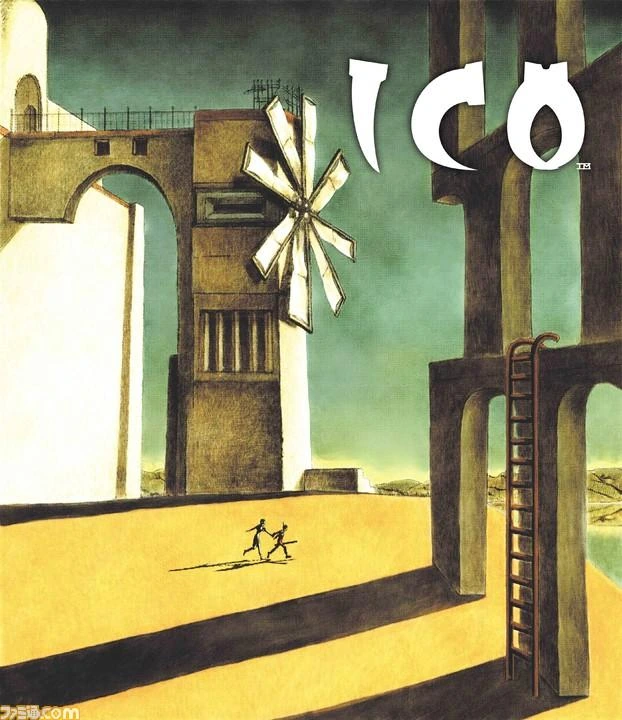
God of War is often remembered for blood and boss fights, but the original trilogy also relied heavily on puzzles, environmental reading and cinematic traversal. This is where Ico becomes important.
Jaffe and the Santa Monica team admired Ico’s camera, atmosphere and puzzle-adventure structure. GamesRadar’s making-of article notes that Jaffe wanted to merge the “visceral nature” of Devil May Cry with the puzzles and exploratory aspects of Ico. Ken Feldman also described Ico and Devil May Cry as games that pushed the team toward that kind of adventure direction.
You can feel that in the first God of War. Many areas are not simple corridors between fights. They are puzzle spaces. The player studies statues, doors, rotating mechanisms, switches, timed traps, moving blocks and camera angles. The game uses architecture as part of the challenge.
The puzzles are rarely as quiet or mysterious as Ico’s, but the design logic is related. The player must look around, understand the space and solve a physical problem before the next combat arena opens.
This is one reason the Greek trilogy still holds up better than many 2000s action games. It had rhythm. Fight, explore, climb, solve, survive, fight again. The structure kept the violence from becoming flat.
Another World and Flashback: Story Through Momentum
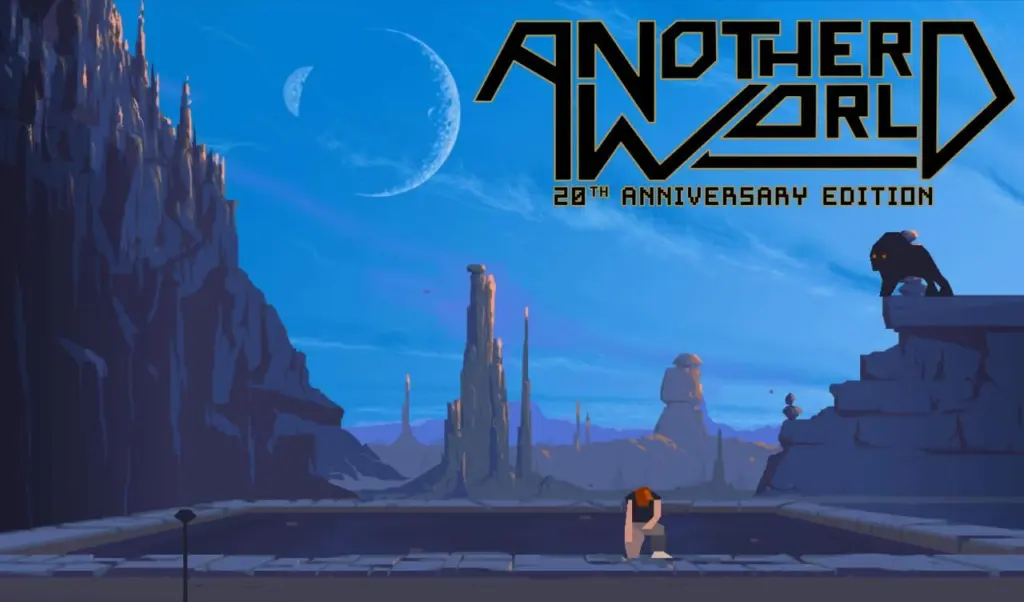
Another important influence sits deeper in the background: cinematic adventure games like Another World and Flashback. These games told stories through movement, danger, animation, framing and environmental situations rather than long exposition.
God of War updated that philosophy for a blockbuster PlayStation format. Instead of quiet sci-fi tension, it used Greek temples, giant monsters, orchestral music and mythological violence. But the idea of pushing the player forward through authored scenes remained.
The original trilogy is linear, but that is part of its strength. Every space feels staged. Every camera angle is chosen. Every arena, puzzle and set piece exists to move Kratos deeper into the mythological machine.
That style is very different from the 2018 and Ragnarök era, where the camera moves closer to Kratos and the world opens into larger interconnected spaces. The Greek trilogy is more theatrical. It often feels like a stage production where the player is dragging the main character from one violent scene to another.
Rygar and the Chain-Weapon Connection
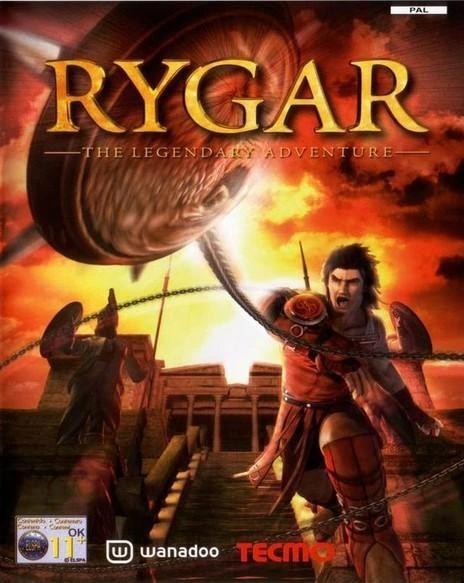
Rygar: The Legendary Adventure deserves more credit in any discussion of God of War’s influences. Released on PS2 before God of War, Rygar used the Diskarmor, a chained shield weapon that allowed the player to strike at range, swing through attacks and interact with the environment.
The similarity to Kratos’ Blades of Chaos is hard to ignore. Both games use a weapon that makes melee combat wider and more expressive. Instead of simply standing near an enemy and pressing attack, the player controls space around the character. The weapon becomes part whip, part blade, part crowd-control tool and part visual signature.
God of War refined the idea into something far more iconic. Kratos’ chained blades became not only weapons, but symbols of slavery, rage and punishment. That narrative weight is what Rygar did not have at the same level.
Still, Rygar belongs in the conversation. The PS2 generation was full of developers exploring how 3D melee action could work without becoming stiff. Rygar was one of those experiments. God of War turned that kind of design language into a blockbuster formula.
Conan, Brutality and the Sword-and-Sorcery Mood
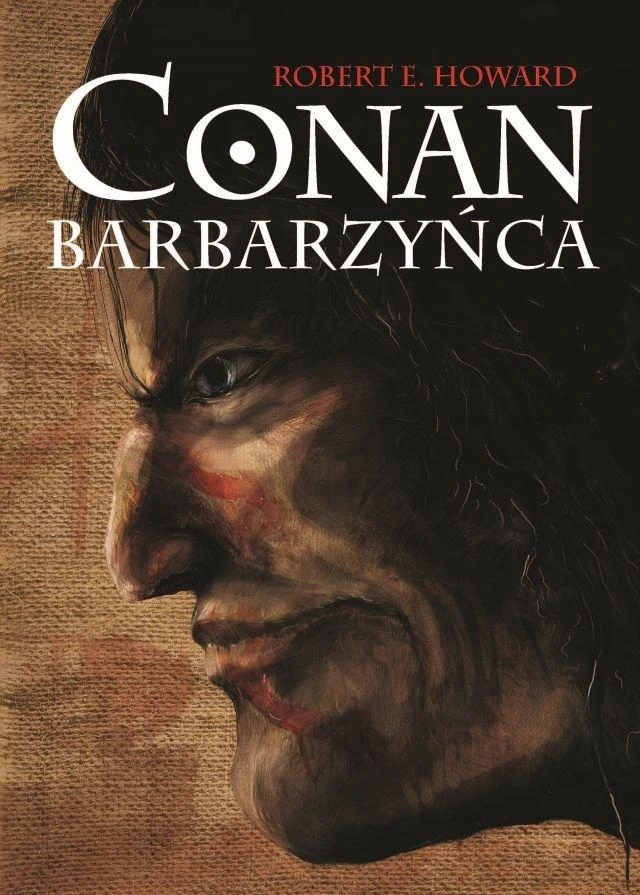
The original God of War trilogy also borrowed heavily from sword-and-sorcery fantasy. Conan the Barbarian is the obvious comparison: muscular violence, ancient worlds, monsters, blood, revenge and a hero who is closer to a force of nature than a clean moral figure.
Kratos in the Greek trilogy is not the reflective father of the Norse games. He is wrath, shame and violence given a body. He kills soldiers, beasts, gods, titans and anything else that stands between him and revenge. The games are excessive because the character is excessive.
That brutality was not accidental. God of War arrived in an era when many action games pushed gore, sexuality and aggression as part of their identity. Some of those choices feel dated in 2026, especially the sexual mini-games and adolescent edge of certain scenes. But the mythic violence still matters because it defines the Greek trilogy’s tone.
The remake will have to deal with this carefully. Modern God of War has become more mature in its writing, but the Greek trilogy cannot be remade as if Kratos was always calm and reflective. His ugliness is part of the story.
American McGee’s Alice and the Twisting of Familiar Myth
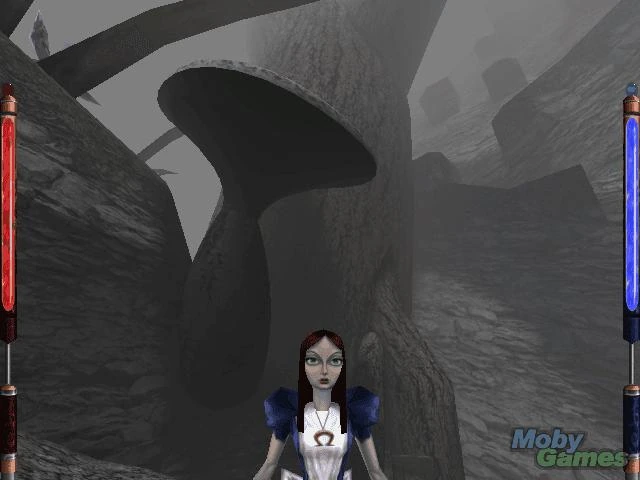
Ken Feldman’s comments about American McGee’s Alice are also useful. Alice showed how powerful it could be to take something familiar and twist it into something darker, stranger and more adult. God of War did something similar with Greek mythology.
Most players already know names like Zeus, Ares, Athena, Hades, Medusa, Poseidon and Pandora. God of War used that familiarity as fuel. It did not teach mythology like a classroom. It weaponized mythology.
Gods became bosses. Myths became arenas. Sacred places became puzzles. Monsters became executions. The result was not historically pure Greek mythology, but a violent pop-mythology machine built for games.
In 2026, this approach still explains why the Greek saga is being revived. The setting remains readable to new players because the names and images are familiar. But the God of War version is twisted enough to feel like its own universe.
The First-Person God of War That Almost Wasn’t
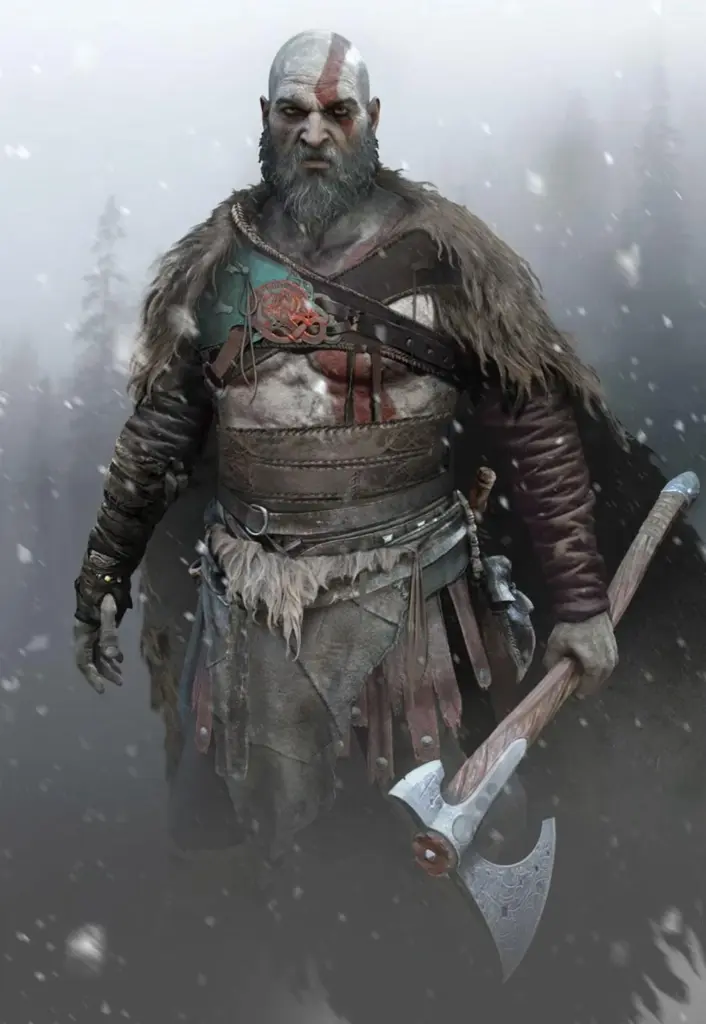
One of the strangest details in the series’ development history is that early ideas even included a first-person version of God of War. Jaffe later explained that the FPS direction did not last long because the team realized the game needed to change. GamesRadar’s retrospective notes that the concept shifted away from that idea as the team focused on third-person action.
This is one of those development facts that sounds absurd now, but it reveals how open the early project was. God of War was not born fully formed. The team had to discover the right camera, right combat language and right relationship between player and character.
Third-person was the correct decision. Kratos works because players see his body in motion: the chained blades, the dodges, the finishers, the scale difference between him and the monsters. A first-person God of War might have been intense, but it would have lost the mythological physicality that defines the trilogy.
How Sons of Sparta Changes the Conversation
God of War Sons of Sparta adds a new 2026 layer to this discussion. The game is a 2D action platformer and, according to PlayStation, a canon story set during Kratos’ youth in the Spartan agoge alongside his brother Deimos. It is not a remake of the original trilogy, but it returns to the Greek era through a retro-inspired format.
That is interesting because it highlights a different side of God of War’s identity. The franchise is usually associated with huge 3D spectacle, but Sons of Sparta shows that the Greek saga can also be translated into side-scrolling action, platforming and more compact combat design.
It also makes the old influences feel relevant again. God of War was always built from translation: Greek myth translated through Japanese action games, cinematic adventure puzzles and Western blockbuster pacing. Sons of Sparta continues that tradition by translating God of War into a retro 2D action language.
Why the Greek Trilogy Remake Has a Difficult Job
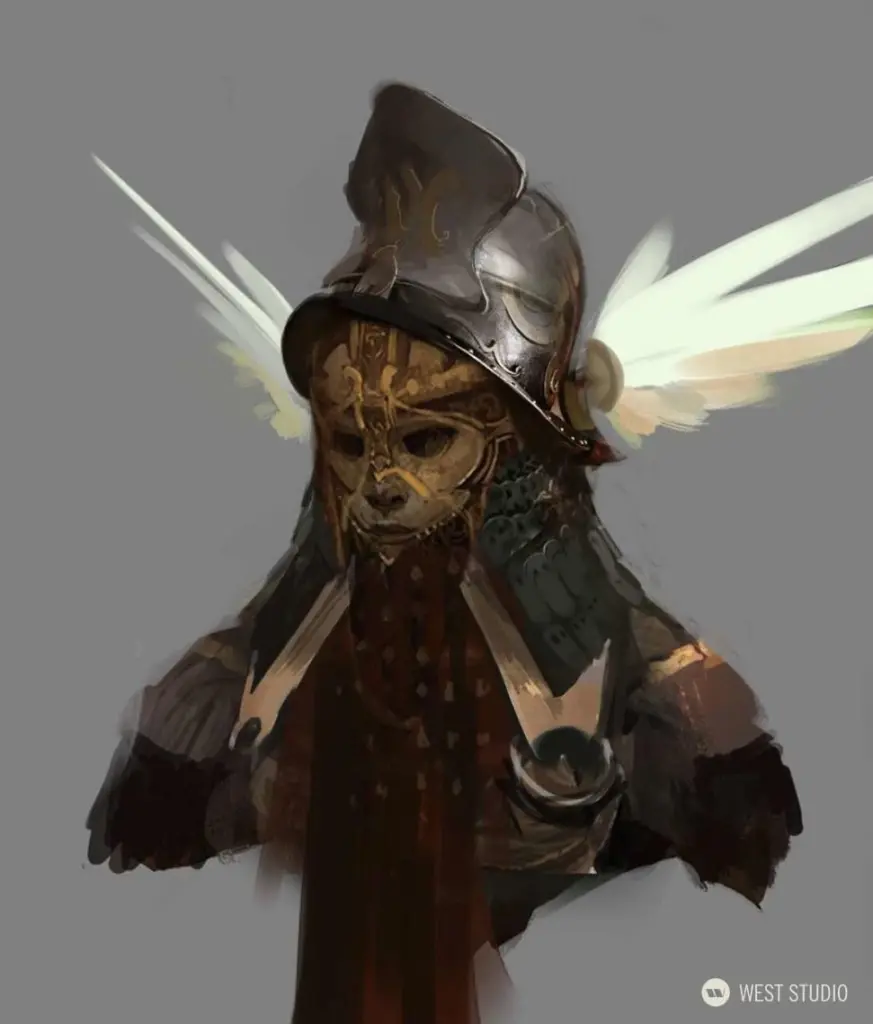
The 2026 announcement of the Greek trilogy remake creates a difficult design problem. The original games are beloved, but they are also products of their time. Their camera, pacing, puzzles, sexual content, violence, boss design and difficulty spikes all belong to a specific PlayStation era.
A remake cannot simply improve graphics and call it done. It has to decide what “God of War” means in the Greek context.
Does it keep the fixed camera?
Does it modernize combat toward the 2018 style?
Does it preserve the old puzzle rhythm?
Does it rewrite Kratos with the emotional maturity of the Norse games?
Does it keep the trilogy’s brutality, or soften it?
The best answer is probably balance. The remake should remember why the original worked: cinematic framing, aggressive chained-blade combat, mythological scale, environmental puzzles and relentless forward momentum. If those pieces disappear, the remake risks becoming a modern action game with old story beats.
What Actually Made God of War Original
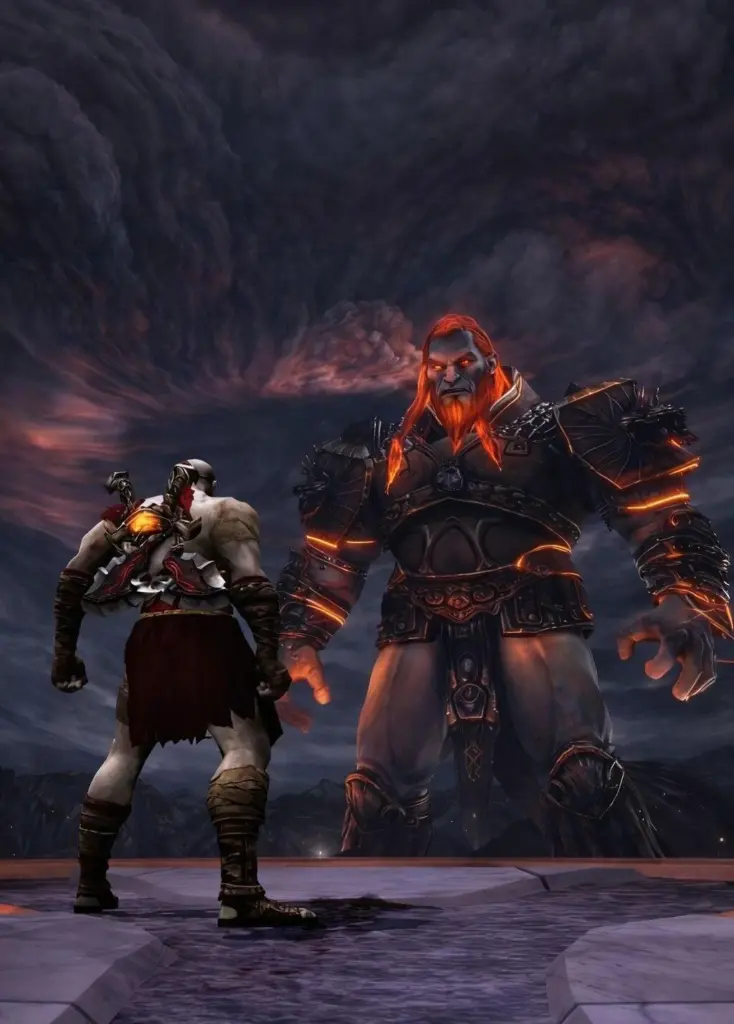
God of War was not original because every individual idea was new. It was original because the combination was unusually confident.
From Onimusha, it took action-adventure structure and upgrade rhythm. From Devil May Cry, it understood stylish combat and the pleasure of looking powerful. From Ico, it borrowed environmental awareness and puzzle-adventure pacing. From Another World and Flashback, it carried the idea of story through movement and danger. From Rygar, it shared the appeal of chained weapon combat. From Conan-style fantasy, it took brutality and mythic physicality. From American McGee’s Alice, it understood how familiar stories could become darker and stranger.
Santa Monica Studio fused all of that into something with its own identity: Kratos, the Blades of Chaos, Greek tragedy, huge bosses, fixed-camera spectacle, brutal finishers and a world where every god felt like another obstacle to destroy.
That is why the original trilogy still matters in 2026. The series has grown far beyond its PS2 origins, but the Greek games remain the foundation. Before Kratos became a father trying to escape his past, he was the past: rage, myth, violence and spectacle turned into one of PlayStation’s most important action franchises.
The new remake will succeed only if it understands that history. God of War was inspired by many games, films and design traditions. Then it became an inspiration itself.