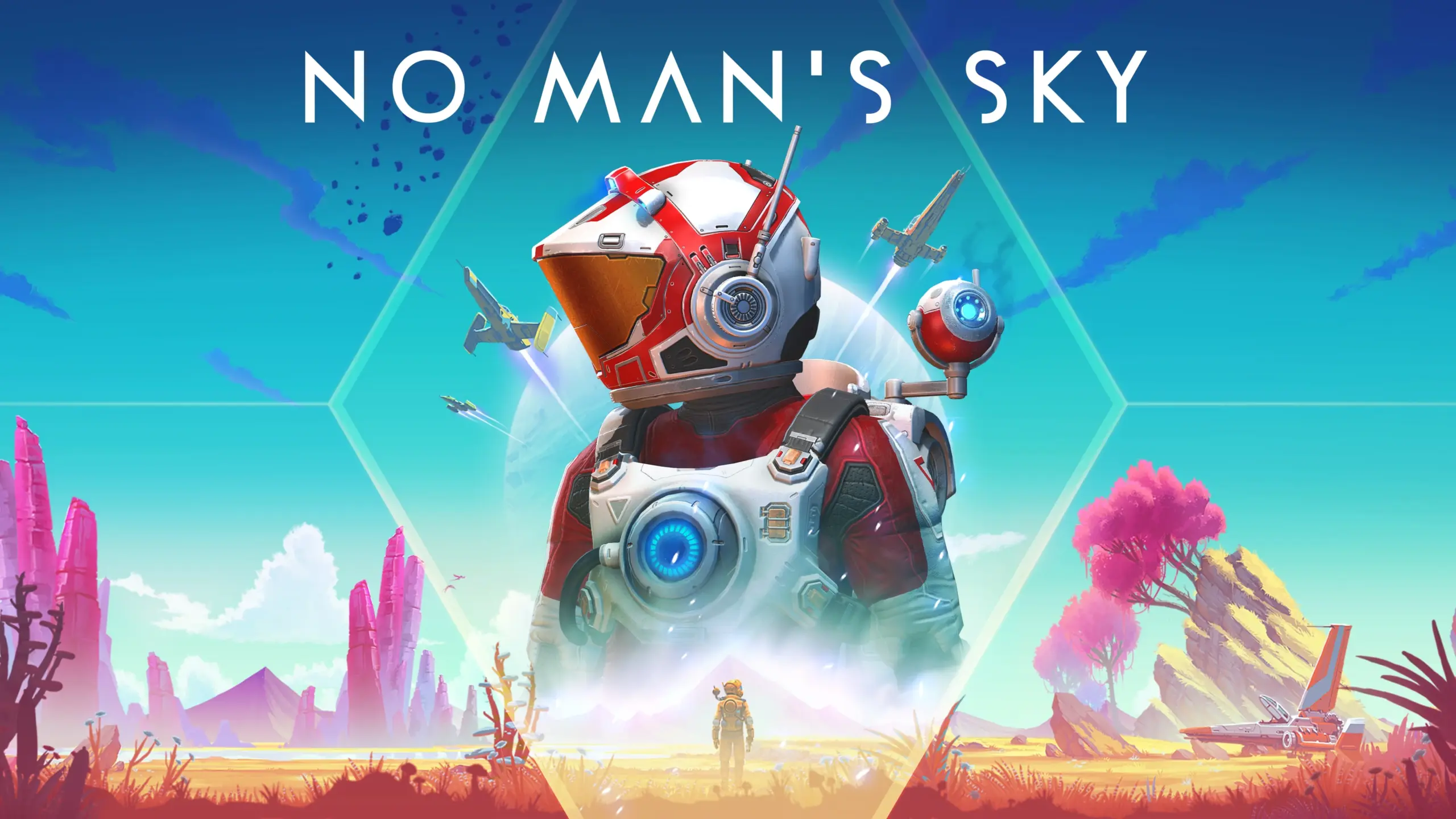
No Man’s Sky was once the obvious example people used when talking about overhype, broken expectations and launch disappointment. The game arrived in 2016 with enormous attention around Sean Murray, Hello Games and the promise of a huge procedurally generated universe. For many players, the launch version did not match the picture built through interviews, trailers and pre-release excitement.
The original moment behind this page came when No Man’s Sky moved from a “Mostly Negative” Steam user rating to “Mixed” after the NEXT update. At the time, that felt like a small but meaningful shift. It suggested that players were beginning to reconsider the game after patches, free updates and a long period of visible rebuilding.
Years later, that shift looks even more important. No Man’s Sky did not stop at “Mixed.” The game continued to receive major free updates, eventually turning into one of the most famous recovery stories in modern gaming. Its Steam page now highlights years of expansion, awards and recognition around ongoing support, including BAFTA and Game Awards recognition for its evolving game status.
Why No Man’s Sky Was Hit So Hard at Launch
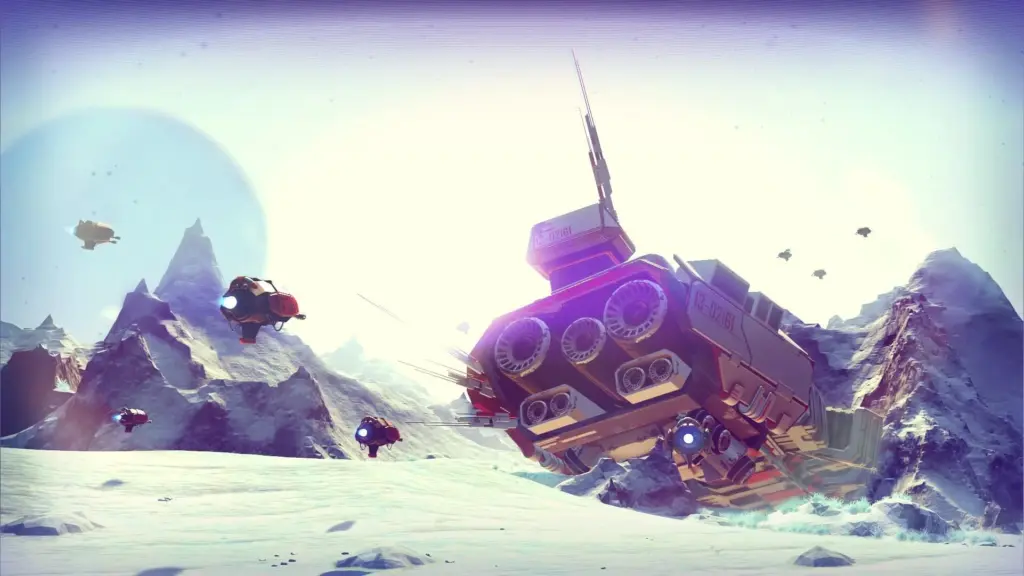
The No Man’s Sky launch backlash was not only about bugs or technical issues. It was about expectation. Players believed they were getting a universe with deep exploration, meaningful multiplayer, rich planetary variety and systems that would keep surprising them for a long time.
The launch version had beautiful moments, but many players found the loop repetitive. Planet discovery, mining, crafting, inventory management and space travel did not always create the depth people expected. The contrast between the imagined game and the actual release became the real story.
That is why the Steam review rating mattered so much. It was not just a score. It became a public symbol of disappointment. Steam reviews are blunt, visible and emotional, especially when a highly anticipated game misses the mark. For No Man’s Sky, “Mostly Negative” became part of the game’s identity.
The Importance of the NEXT Update
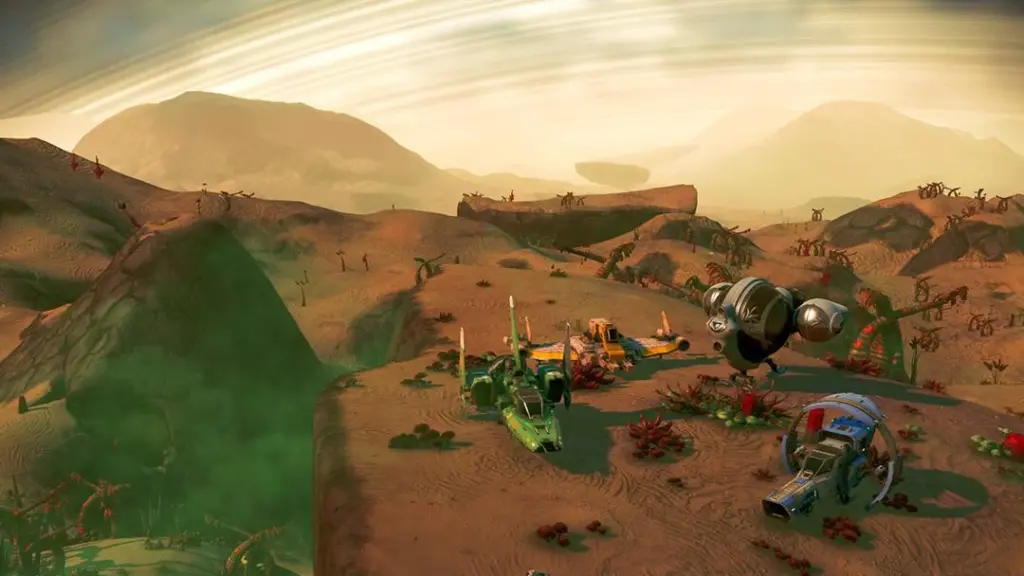
The NEXT update was the moment when the conversation started to change more clearly. It added full multiplayer, visual improvements, expanded base building, third-person camera options and broader changes to the way players experienced the universe.
At the time, Steam’s own news coverage noted that recent reviews had turned strongly positive enough to lift the game’s overall Steam rating to “Mixed.” It also reported that 84 percent of recent reviews across a 30-day period were positive, compared with the launch period where negative reactions had dominated the early count.
That shift was not a full redemption yet, but it showed something important: players were willing to change their view if the work was real. No Man’s Sky was no longer only a failed promise. It was becoming an active project with a visible recovery path.
Why Hello Games Deserves Credit
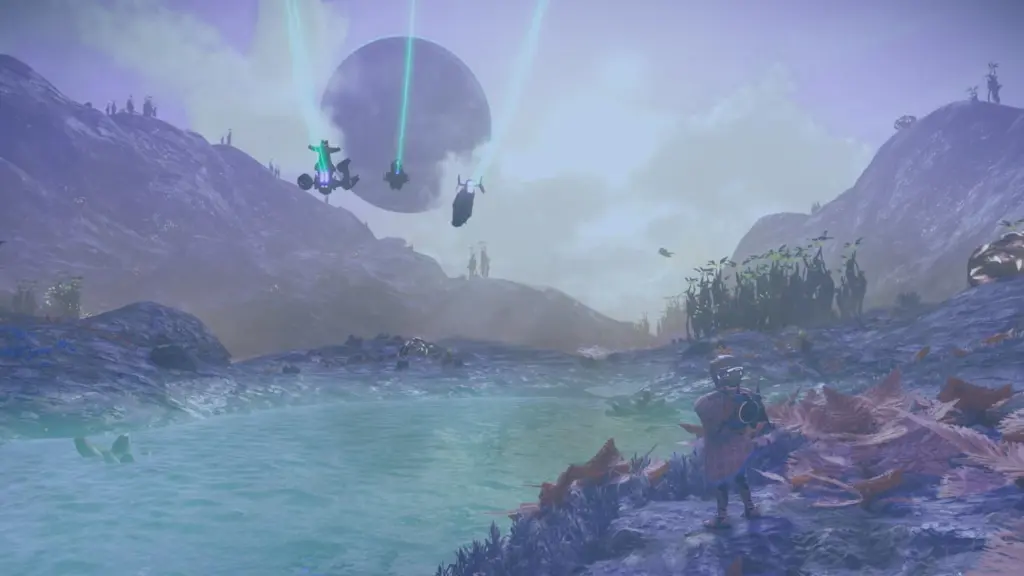
Many studios move on after a bad launch. Some issue apologies, release a few patches and shift their attention elsewhere. Hello Games took a different route. The studio continued to update No Man’s Sky for years without turning every major improvement into a paid relaunch.
That is why the game’s comeback became so widely discussed. Updates did not simply fix technical problems. They expanded the game’s identity. Multiplayer, base building, freighters, settlements, expeditions, visual overhauls, narrative content, creature improvements, space combat changes and platform support all helped reshape the experience.
This does not erase the launch. It does not mean the criticism was unfair. But it does show that a studio can repair trust through sustained work rather than words alone.
From “Mixed” to a Different Reputation
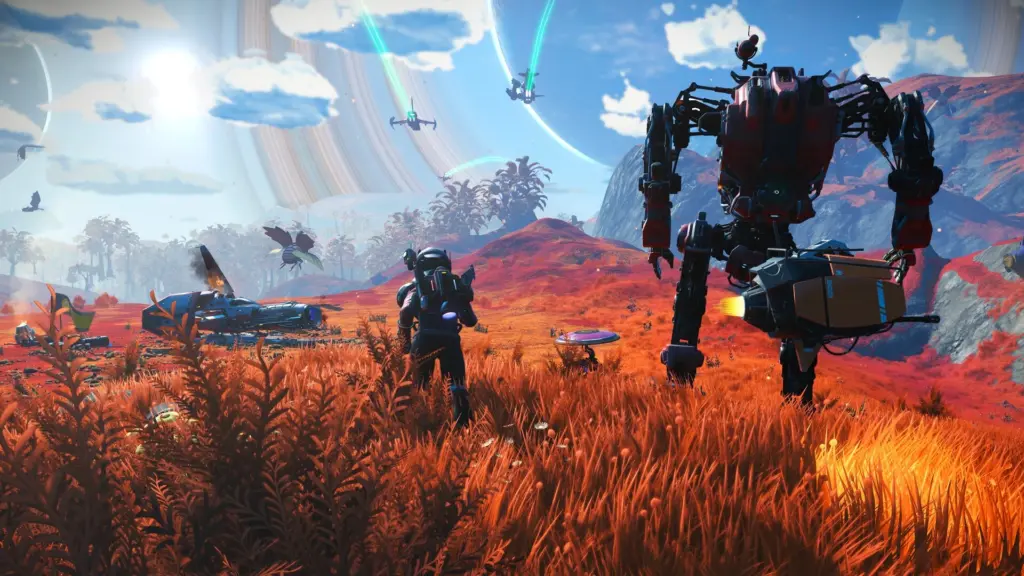
The move from “Mostly Negative” to “Mixed” was only the first visible step. Later community discussion tracked the game’s review improvement as it moved beyond that point. A highly rated Steam community review noted that No Man’s Sky was no longer “Mixed” by 2021 and later reached “Very Positive” territory by late 2024.
That timeline matters because it shows how slow real recovery can be. Review scores do not change overnight when a game launches badly. Early negative reviews remain part of the total. A studio has to earn enough new goodwill to outweigh years of distrust.
No Man’s Sky became a rare example of that process actually happening. The recovery was not one miracle update. It was a long series of improvements that gradually gave players reasons to return, review again, recommend the game and invite friends into the universe.
The Game Still Is Not for Everyone
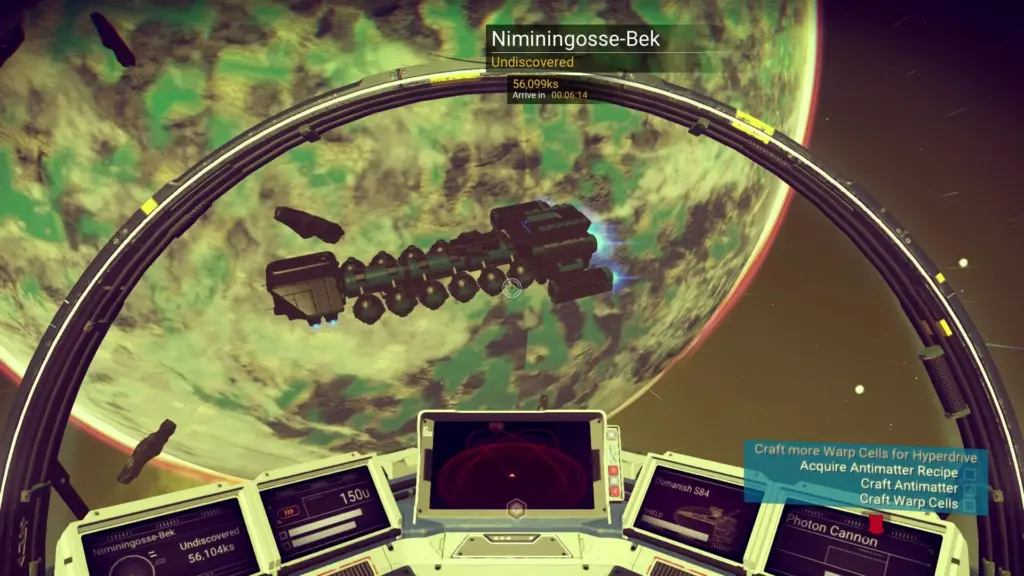
It is easy to turn No Man’s Sky into a simple redemption story, but that would be too clean. The modern version is much richer than the launch version, but it still has a specific rhythm. It remains a space exploration sandbox built around discovery, resource gathering, crafting, base building and self-directed goals.
Some players love that freedom. Others still find the core loop too loose or repetitive. A huge number of updates can deepen a game, but they do not change every player’s taste. No Man’s Sky is stronger now because it better understands what it wants to be, not because it became a perfect game for everyone.
That distinction is important. The comeback works because Hello Games expanded the game’s strengths instead of trying to turn it into a completely different genre.
Worlds Part II and the Ongoing Expansion Model
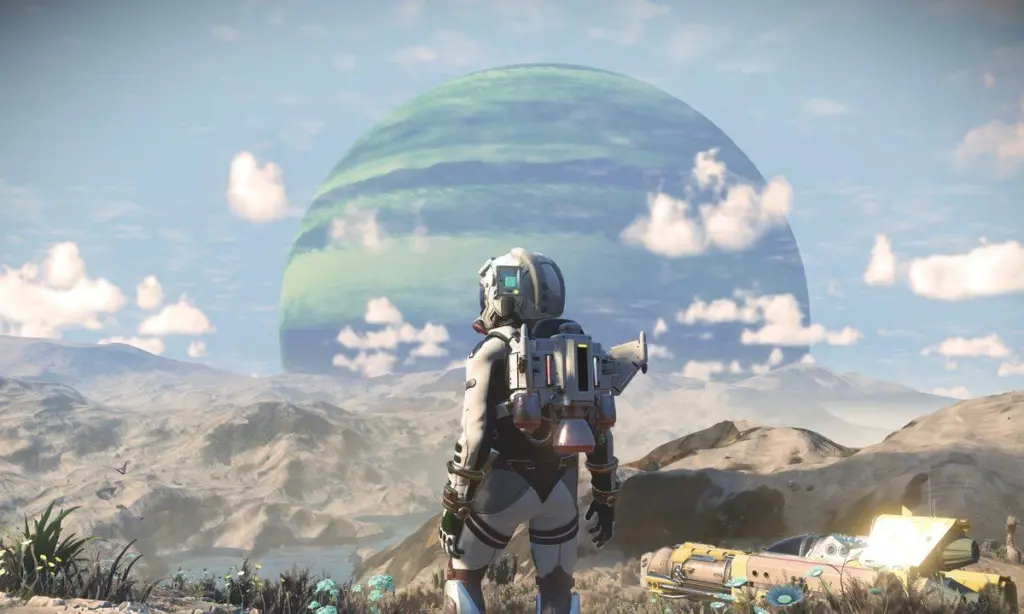
The strongest proof that No Man’s Sky is still alive came long after the original “Mixed” review milestone. In January 2025, Hello Games released Worlds Part II, update 5.50, adding new stars, new story content, new planets, gas giants, water worlds, ancient ruins, lighting improvements and broader planetary variety.
Xbox’s announcement for the same update described it as bringing billions of new stars and planets, with new missions and lore connected to long-running narrative threads, and confirmed it was free for existing players.
That is the larger point. No Man’s Sky did not simply fix itself and stop. It became an ongoing platform for exploration updates. For players who bought the game years ago, that continued support changed the value of the original purchase dramatically.
Why the Steam Review Change Still Matters
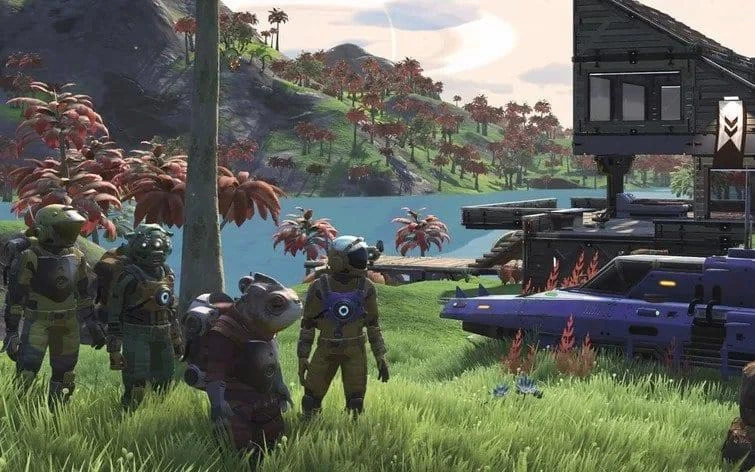
The old headline about Steam reviews changing from “Mostly Negative” to “Mixed” may look small today, but it captured a major turning point. It was the first clear sign that the public narrative was no longer completely frozen around launch disappointment.
Steam reviews are not perfect. They can be emotional, review-bombed, outdated or overly tied to short-term anger. But they are also one of the most visible ways PC players express whether a game feels worth recommending. When No Man’s Sky began climbing out of its early rating hole, it signaled that the work was being noticed.
For gaming history, that matters. No Man’s Sky became a case study in how live development, free updates and long-term commitment can rebuild a damaged reputation.
What Developers Can Learn From No Man’s Sky
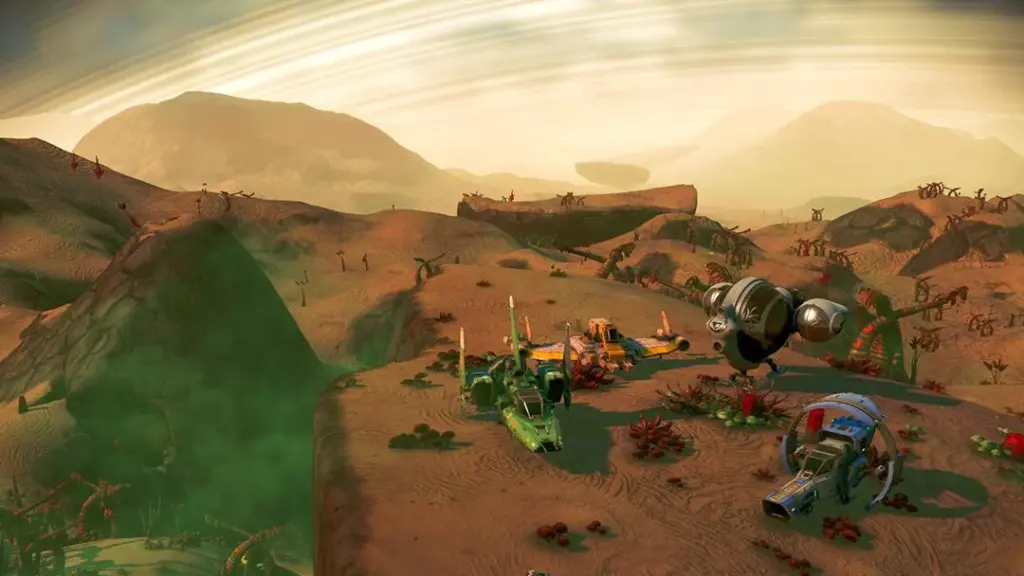
The lesson is not that every bad launch can be rescued. Many cannot. No Man’s Sky had a strong core idea, a flexible sandbox structure and a studio willing to keep building for years. Those conditions are not easy to repeat.
Still, several lessons stand out.
A studio has to improve the actual game, not only the messaging. Players may forgive slowly, but they need something real to return to.
Updates need direction. Random content drops are not enough. No Man’s Sky improved because the additions strengthened exploration, building, multiplayer and long-term goals.
Trust takes time. A single patch cannot undo a launch disaster. The reputation changed because Hello Games stayed with the project year after year.
A Comeback Built Through Work
When No Man’s Sky first moved from “Mostly Negative” to “Mixed,” it felt like the game was finally escaping the shadow of its launch. Looking back now, that moment was not the end of the story. It was the beginning of the comeback becoming visible.
The modern No Man’s Sky is still debated, still unusual and still not for every player. But it is no longer remembered only as a failed launch. It is remembered as one of the clearest examples of a studio refusing to abandon a damaged game.
That is why the Steam review shift matters. It was the first public crack in the old narrative. Hello Games kept pushing through that crack until the game became something much larger than its launch version ever was.
For players, the story is simple: No Man’s Sky did not become respected because people forgot what happened. It became respected because Hello Games kept giving players reasons to look again.