
The PlayStation 2 library is so large that even entire genres have hidden corners. Everyone remembers the obvious platforming names: Jak and Daxter, Ratchet & Clank, Sly Cooper, Crash Bandicoot, Spyro and the mascot-driven releases that carried over from the late PlayStation and Nintendo 64 era. But the PS2 was also full of smaller, stranger and less-discussed 3D platformers that tried to do something different.
That is what makes the system such a strong console for hidden gems. The PS2 era gave developers enough space to experiment. Not every experiment worked perfectly, but many of them had identity, charm and a sense of adventure that is harder to find in safer modern releases.
This list focuses on three underrated PS2 3D platformers that still deserve attention: Brave: The Search for Spirit Dancer, Kya: Dark Lineage and Legend of Kay. None of them replaced the biggest platforming franchises of the era, but each one brought something memorable to the genre.
Brave: The Search for Spirit Dancer
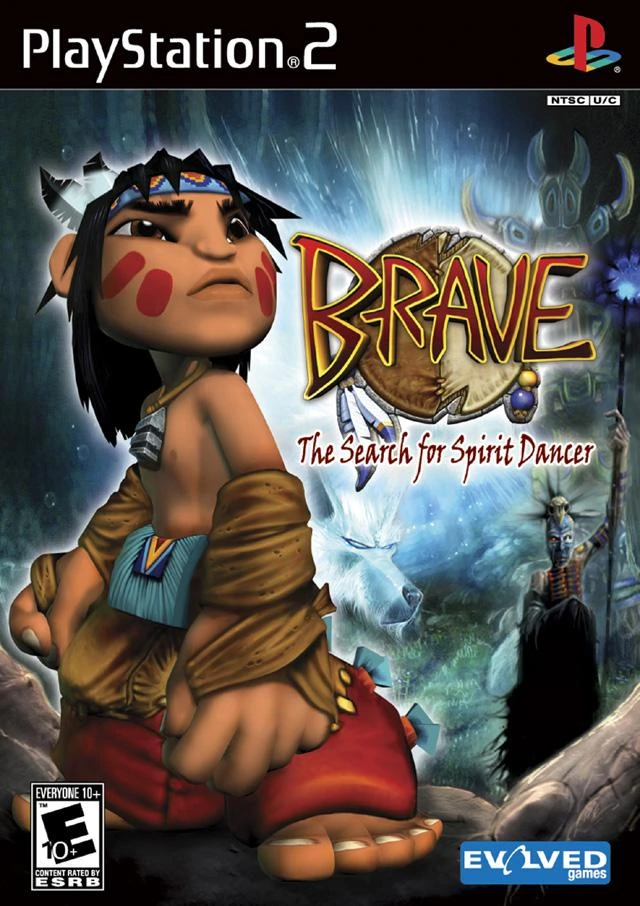
Brave: The Search for Spirit Dancer is a 2005 action-adventure platform game developed by VIS Entertainment for PlayStation 2. It was released in Europe by Sony Computer Entertainment and later in North America by Evolved Games. The game also received an enhanced version for Xbox 360 and Wii in 2009 under the title Brave: A Warrior’s Tale, developed by Collision Studios.
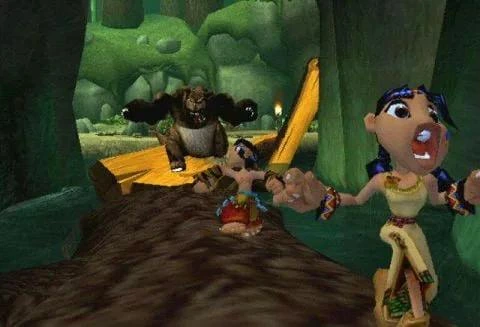
The game follows Brave, a young Native American boy who sets out to save his tribe from the evil Wendigo. To do that, he must search for the Spirit Dancer, a legendary shaman who may be the only figure capable of stopping the threat.
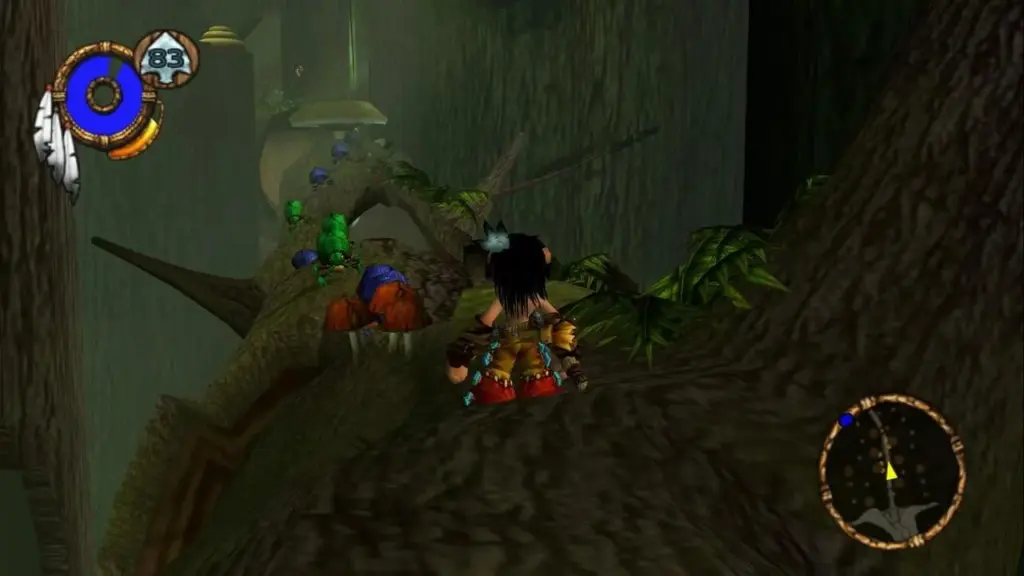
On paper, Brave looks like a fairly traditional PS2-era 3D platformer. There is jumping, climbing, combat, animal-themed mechanics, environmental objectives and a journey through forests, caves and dangerous spiritual spaces. But what gives the game its charm is the way it mixes simple platforming with small ritual-like actions and nature-based abilities.
Brave can use weapons such as an axe and bow, but the combat is not the game’s strongest feature. It is functional, sometimes repetitive and rarely deep enough to carry the experience by itself. The more interesting ideas come from animal calls, spirit summons, fishing, boating, fire-building and moments where the game tries to make the journey feel broader than basic platform hopping.
The visual style also helps. Brave has aged better than some players may expect because it leans into a colourful, cartoon-like look rather than chasing realism. It can feel simple today, but its environments still have a storybook quality that fits the tone.
The soundtrack is less memorable. For a platformer built around myth, nature and adventure, the music does not always leave the kind of lasting impression that the best PS2 platformers managed. That weakness matters because platformers often live in the memory through their sound as much as their level design.
Still, Brave is worth revisiting because it has personality. It is not as polished as Jak, as sharp as Ratchet or as famous as Sly, but it belongs in the PS2 hidden gem conversation because it tries to build its own adventure rather than copy the biggest names too closely.
Why Brave Is Worth Playing
Brave works best for players who enjoy lesser-known action platformers with a strong setting and simple adventure structure. It is not a lost masterpiece, but it has enough ideas to be more than a forgotten licensed-looking curiosity.
The animal mechanics, spiritual theme and colourful world make it stand out. The weaker combat and late-game frustration keep it from being an essential PS2 platformer, but as a hidden gem, it earns its place.
Best for: players who like obscure PS2 adventure platformers, mythology-flavoured worlds and games with a strong early-2000s console feel.
Biggest weakness: repetitive combat and some frustrating platforming sections.
Kya: Dark Lineage
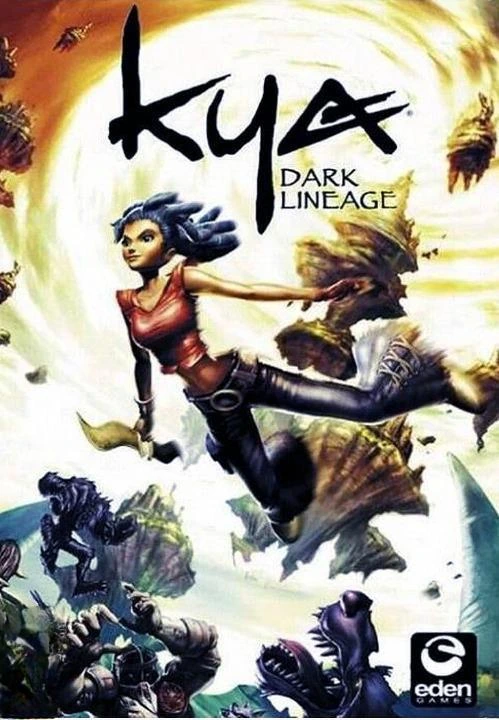
Kya: Dark Lineage is one of the most interesting underrated PS2 platformers because it is not only a platformer. It is also an action-adventure game, a beat ’em up, a fantasy escape story and, at times, a freefall movement game. Developed by Eden Games and published by Atari, it was released for PlayStation 2 in 2003.
The game begins with Kya and her half-brother Frank being pulled into a strange world through a mysterious portal. Kya wakes up in an unfamiliar place and quickly becomes involved in protecting the Nativs from Brazul and the Wolfen. It is a setup that feels very PS2: strange creatures, a colourful fantasy world, dramatic chase scenes and a protagonist thrown into a world that looks playful but hides danger.
What makes Kya: Dark Lineage stand out is movement. The game puts a strong emphasis on air, verticality and speed. Freefall sequences are one of its most memorable ideas, forcing the player to guide Kya through open space while avoiding obstacles and reading the environment quickly. These moments give the game a sense of scale that many PS2 platformers did not attempt.
The hub village structure also gives Kya a light adventure-game rhythm. Players return to the Nativ village, buy upgrades and unlock new movement options. Abilities such as wall jumps, climbing improvements and riding Jamguts help the game gradually expand how Kya moves through the world.
Combat is much stronger than in Brave. Kya has a more developed combo system, and fighting the Wolfen gives the game a beat ’em up flavour. The boomerang-style weapon adds puzzle and ranged utility, though the camera can sometimes work against the player, especially when aiming or reading space during busier moments.
The camera is probably the game’s most consistent weakness. Like many PS2-era 3D games, Kya sometimes asks for precision while the camera refuses to fully cooperate. That can make certain sections more frustrating than they need to be.
Even with that flaw, Kya: Dark Lineage still feels unusually ambitious. Its world has identity, its movement ideas are strong, and the game looks surprisingly good when revisited through cleaner modern displays or emulation. It is exactly the kind of PS2 game that makes people wonder why it never became a bigger franchise.
Why Kya Is Worth Playing
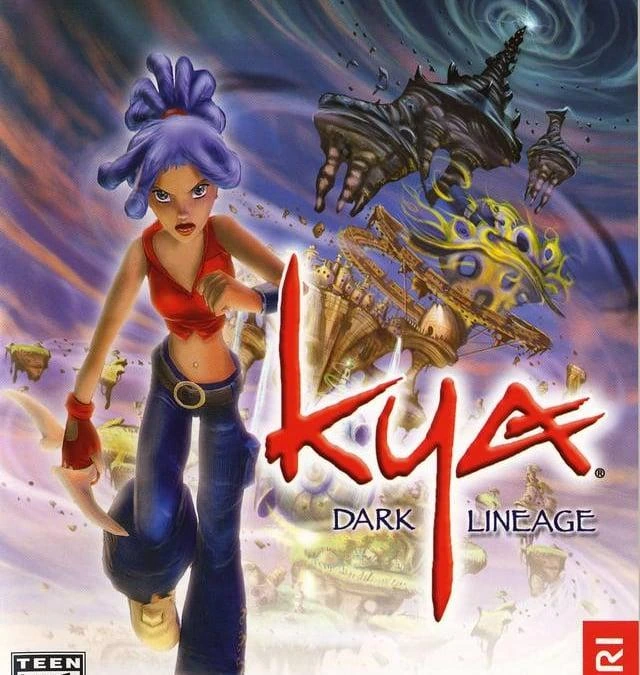
Kya: Dark Lineage is the strongest hidden gem on this list for players who want more than standard platforming. It has a distinctive world, enjoyable combat, strong movement variety and a sense of adventure that feels bigger than its reputation.
It is not perfect, but its best ideas are still fresh. The freefall sequences, air-focused design and mix of platforming with beat ’em up combat make it stand apart from many better-known PS2 releases.
Best for: players who want a colourful action-platformer with combat, movement upgrades and a strange fantasy world.
Biggest weakness: camera problems and occasional difficulty spikes.
Legend of Kay
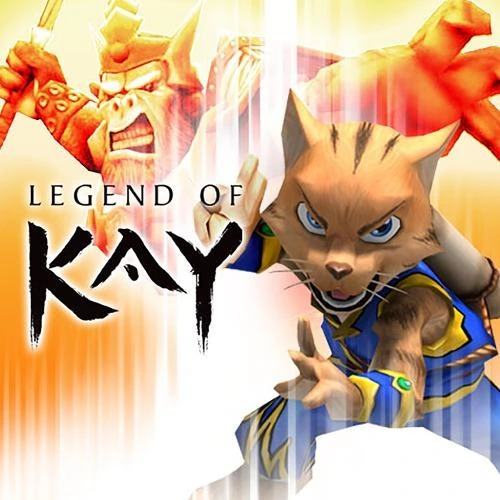
Legend of Kay was originally released for PlayStation 2 in 2005, developed by Neon Studios and published by JoWood Productions. It later received an enhanced Anniversary version for modern platforms after Nordic Games, now THQ Nordic, acquired JoWood assets. The remaster improved textures, character models, rendering and sound while keeping the core game intact.
At first glance, Legend of Kay looks like a game that could easily be dismissed as a Zelda-inspired action platformer with talking animals and martial arts flavour. That comparison is understandable, but it is also too simple. Legend of Kay is more direct, more combat-focused and more arcade-like than Zelda. It is less about grand puzzle-box exploration and more about fighting, platforming, traversal challenges and moving through a colourful world with a steady action rhythm.
The story follows Kay, a young cat who becomes involved in resisting the oppression of his village by gorillas and rats. The tone mixes martial arts film references, cartoon adventure and light fantasy, giving the game a personality that is playful without becoming completely silly.
The combat is the main strength. Kay can use different weapons, including claws, sword and hammer, and each has its own feel. The sword is the most reliable, but switching weapons gives the game more texture than many PS2 platformers. There are combos, special attacks, boss fights and large enemy encounters that make combat more central than in Brave or even Kya.
Legend of Kay also uses traversal variety to break up repetition. Riding animals, reaching new areas, completing movement sequences and fighting through themed zones gives the game a broad adventure structure. It does not always escape old PS2 design habits, but it rarely feels like it has no ideas.
The soundtrack is also stronger than many players might expect. It gives the game a bright adventure tone and helps its martial arts fantasy world feel more memorable. Compared with Brave, Legend of Kay has more musical identity and stronger moment-to-moment energy.
Because the Anniversary version exists on newer platforms, Legend of Kay is also easier to revisit than many PS2 hidden gems. That makes it a useful recommendation for players who want the spirit of a PS2 platformer without needing original hardware.
Why Legend of Kay Is Worth Playing
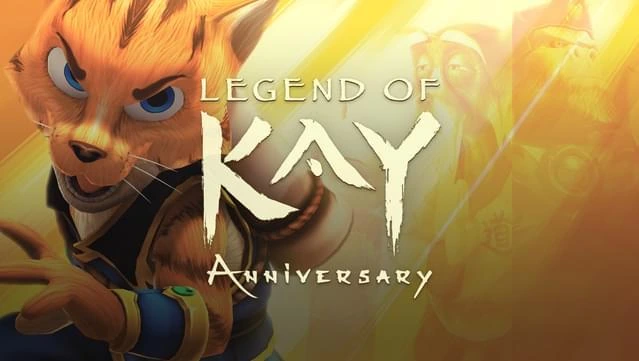
Legend of Kay is the best pick here for players who want an action-heavy platformer with a clear adventure structure. It is not as famous as the major PS2 mascots, but it has enough combat depth, charm and variety to justify a modern look.
The Anniversary edition also helps keep it accessible, which is rare for a game from this corner of the PS2 library.
Best for: players who like action platformers, martial arts themes, animal characters and colourful PS2-era adventure design.
Biggest weakness: some dated design habits and occasional repetition.
Which One Should You Play First?
If you want the most ambitious and unusual game, start with Kya: Dark Lineage. Its movement, air sequences and world design make it the most interesting hidden gem of the three.
If you want the most accessible game today, try Legend of Kay Anniversary. It preserves the PS2-era action-platforming style while being easier to find on modern systems.
If you want the most obscure adventure with a specific early-2000s charm, go with Brave: The Search for Spirit Dancer. It is rougher, but it has an identity that makes it worth discussing.
Why These PS2 Platformers Still Matter

The PS2 era was not perfect, but it had range. Publishers were willing to release mid-budget platformers, strange action-adventures and experimental genre hybrids that did not need to become massive franchises to justify existing.
That is why games like Brave, Kya: Dark Lineage and Legend of Kay still matter. They show a version of the industry where a platformer could be imperfect, specific and still memorable. Not every game needed to become a live service, cinematic blockbuster or endless franchise.
For modern players, these games are worth revisiting not because they are flawless, but because they feel handmade in a way many newer releases do not. They carry the risks, oddities and charm of the PS2 library.
That is exactly what a hidden gem should do.