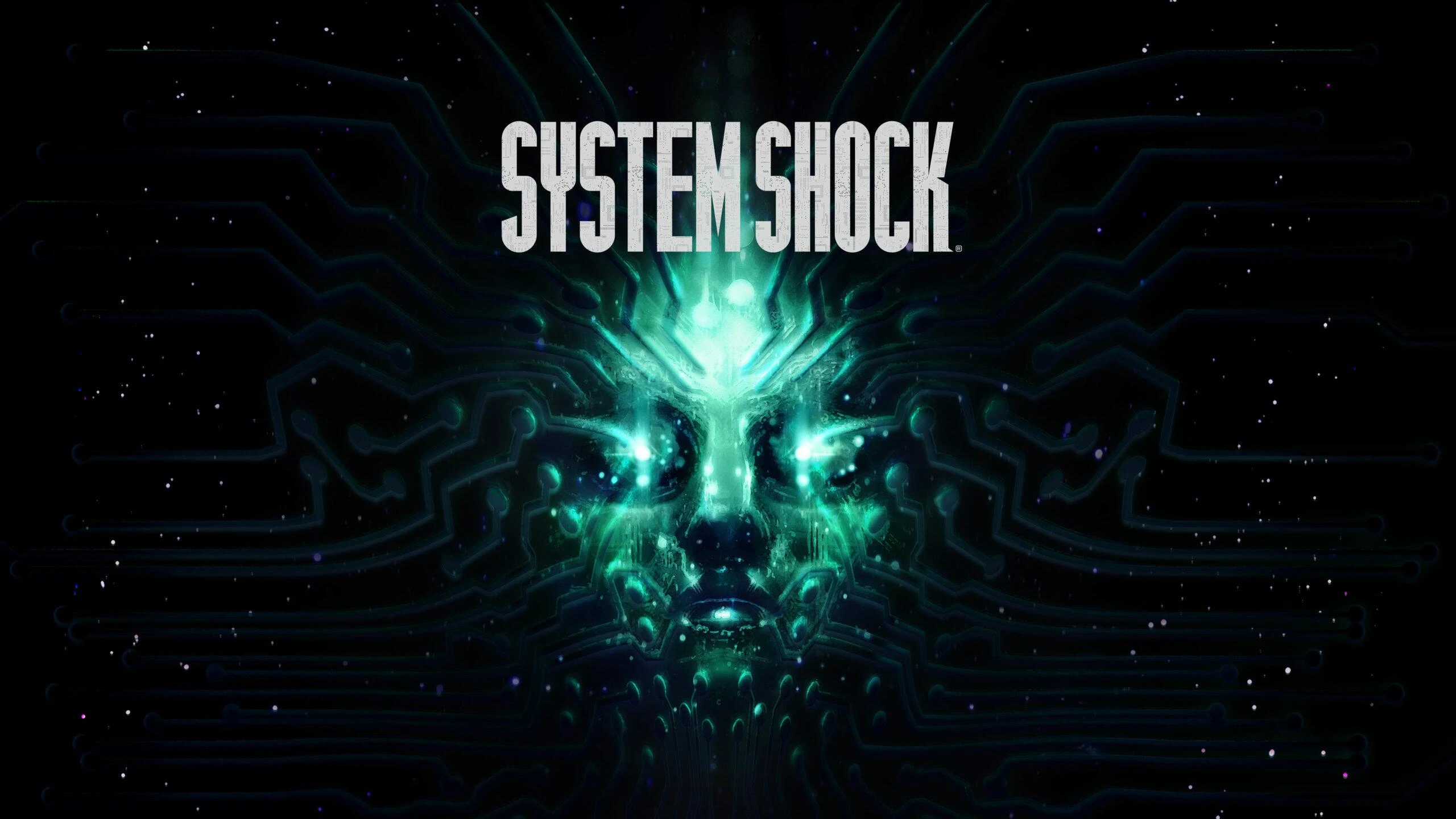
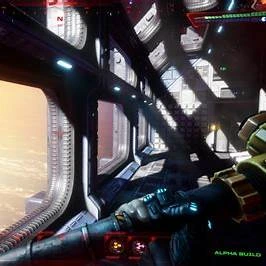
When Nightdive Studios put the System Shock remake on hiatus in 2018, the news felt like the kind of development collapse that follows ambitious Kickstarter projects around forever. The remake had raised more than $1.3 million, the original System Shock carried enormous design importance, and the apology from Nightdive CEO Stephen Kick sounded less like a routine delay and more like a public attempt to stop the project from drifting beyond recognition.
Years later, the story looks different. System Shock did not disappear. Nightdive eventually released the remake on PC in May 2023, followed by PlayStation and Xbox versions in May 2024. That does not erase the frustration of the hiatus, but it does make the apology more interesting. Instead of reading it only as a cancellation scare, we can now read it as a rare public case study in scope control, remake pressure and what happens when a studio tries to modernize a legendary game without losing the reason it mattered.
Why the System Shock Remake Was Always a Difficult Project
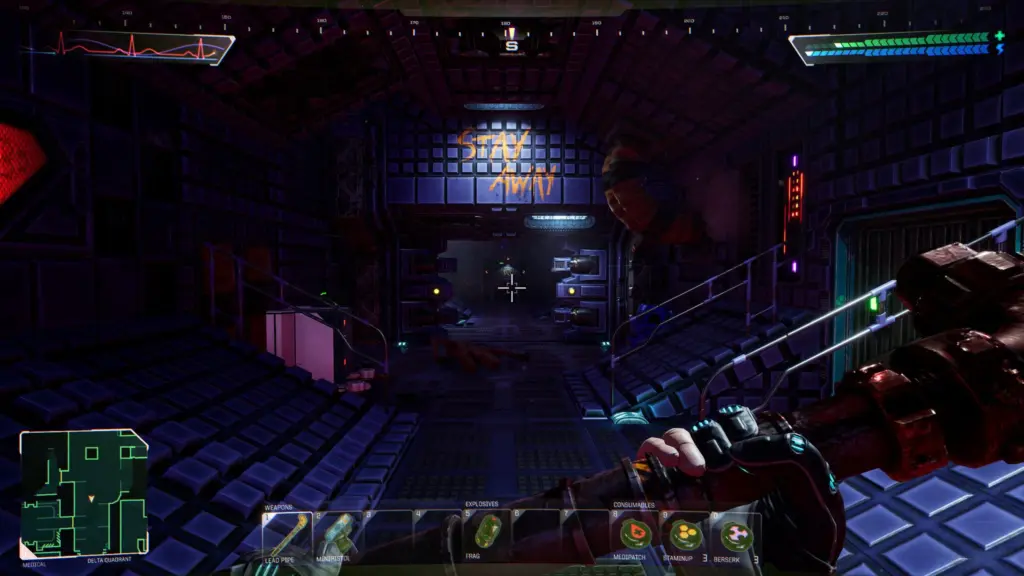
The original System Shock was not a simple candidate for a remake. It was influential because it was strange, demanding and systems-heavy. It mixed first-person exploration, hacking, inventory management, audio logs, environmental storytelling, survival tension and player freedom long before those ideas became familiar parts of modern immersive sims.
That is exactly what made it important, but also what made it dangerous to rebuild. If Nightdive modernized too little, the remake risked feeling old and hostile to new players. If it modernized too much, it risked becoming a different game wearing System Shock’s skin.
This is the core tension behind the apology. System Shock was not just a visual upgrade job. It carried the legacy of Looking Glass Studios, SHODAN, Citadel Station and a design language that later echoed through games like Deus Ex, BioShock, Prey and many other first-person immersive experiences.
A remake had to satisfy several groups at once: original fans, Kickstarter backers, new players, publishers, platform holders and the studio’s own developers. That is a brutal design target.
The Problem Hidden Inside “Too Successful”

One of the most revealing parts of Stephen Kick’s apology was the admission that the project may have become “too successful.” That sounds strange at first. More attention and more funding should help a game, not hurt it.
But for a remake like System Shock, success can create pressure. A small restoration project can be focused. A highly visible Kickstarter project becomes a promise. Fans expect faithfulness. New players expect modern controls and presentation. Publishers look for a wider market. Developers see opportunities to improve old systems. Every reasonable idea adds weight.
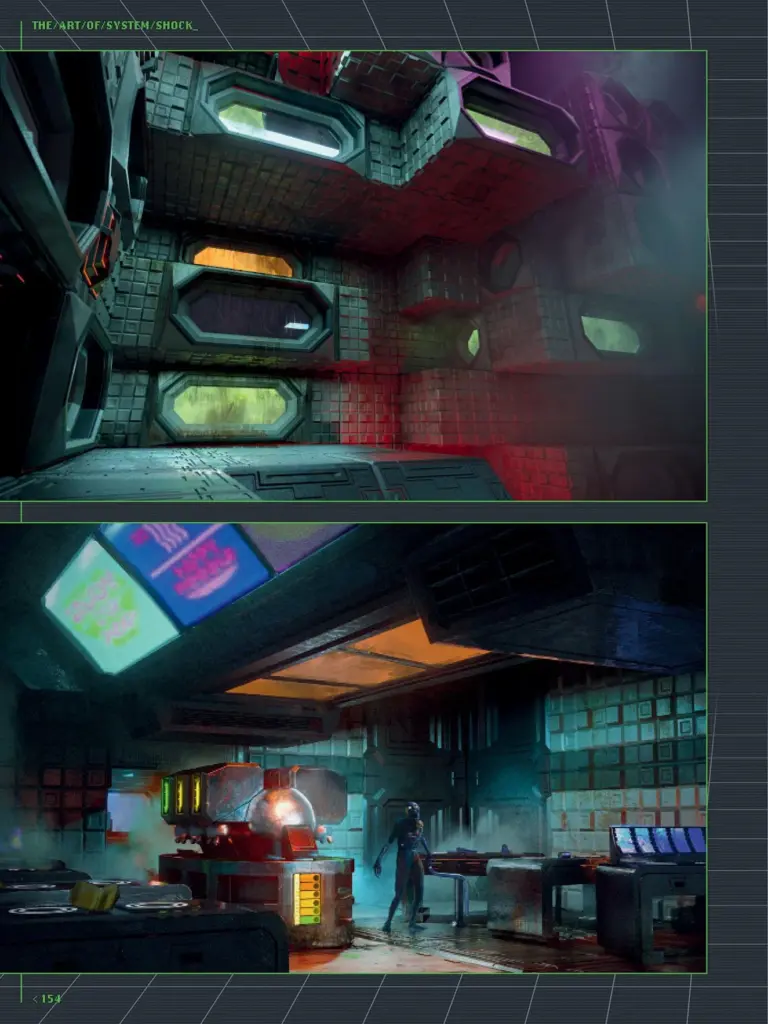
The original page framed the situation as a kind of creative overreach, and that still holds up. Nightdive shifted from a remaster-like approach toward something closer to a broader remake. The team changed engines from Unity to Unreal. The visual ambition grew. The design vision expanded. The more the game tried to become a full modern production, the easier it became to drift away from the compact reason backers had supported it.
That is the painful lesson: not every improvement improves the project.
Remaster, Remake or Reinterpretation?
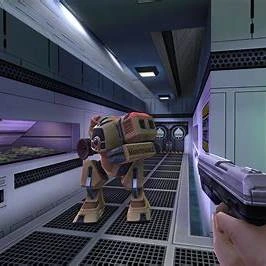
The apology matters because it exposed a problem that many classic game revivals face. “Remake” is a flexible word, but players often imagine very different things when they hear it.
Some players want the same game with better visuals and controls. Some want a redesign that fixes everything that feels dated. Some want a new audience to understand why the old game mattered. Some want the original preserved almost untouched.
System Shock sat between all of those expectations. Its roughness was part of its identity, but not every old inconvenience deserved protection. Some interface friction could be improved. Some pacing could be made clearer. Some systems could be explained better. At the same time, too much smoothing would risk removing the paranoia, complexity and player responsibility that made the game special.
This is why the Nightdive apology still feels useful. It showed that the studio recognized the remake had started moving away from the core concept. That kind of public self-correction is uncomfortable, but it is sometimes better than pushing forward until the final product has no clear identity.
The Kickstarter Backer Problem
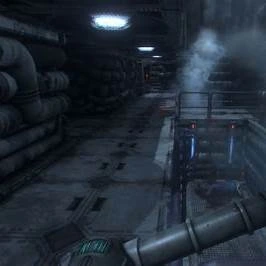
Crowdfunded games carry a different emotional weight. Backers are not just customers waiting for a product. They often feel like early believers in the project’s creative promise.
That made Nightdive’s position especially difficult. The studio had to explain not only that development was slowing down, but that the project’s direction had become unstable. For backers who supported a faithful System Shock revival, hearing that the team had drifted from the original concepts was understandably worrying.
Still, the apology did one important thing right: it accepted responsibility. It did not pretend everything was fine. It did not blame fans for unrealistic expectations. It did not hide behind vague production language. Kick’s statement directly acknowledged that leadership decisions had allowed the project to grow beyond its original shape.
That level of bluntness does not automatically solve the problem, but it is better than corporate fog. In gaming, players are used to carefully worded delay announcements that say very little. This apology was unusually direct.
Why System Shock Could Not Be Treated Like an Ordinary Remake
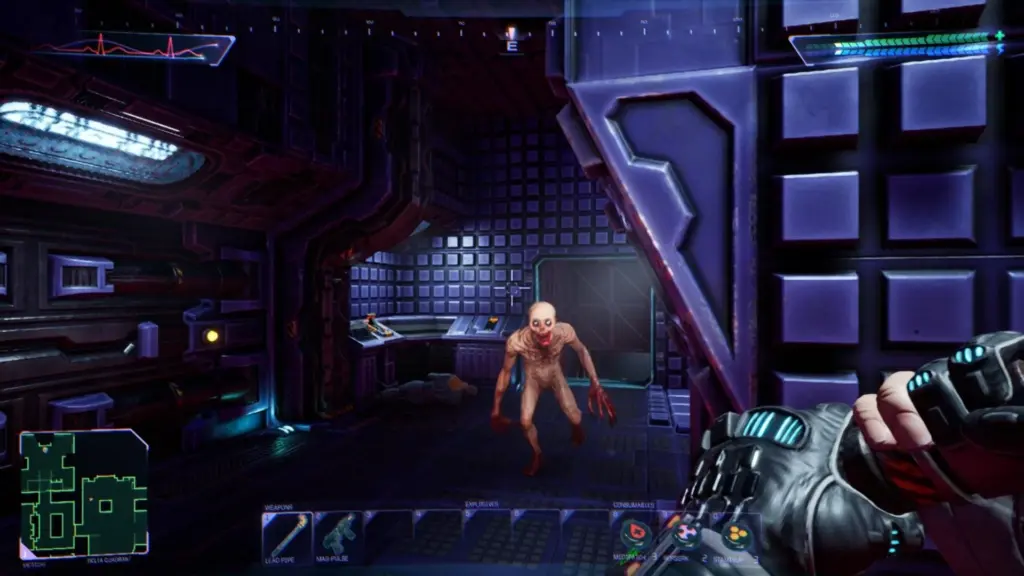
Some classic games are easier to remake because their core structure is simple. Improve visuals, smooth controls, update presentation and the project can still remain clear. System Shock is not that kind of game.
Its identity comes from overlapping systems. Navigation is part of the challenge. Confusion is part of the atmosphere. The station feels hostile because the player must slowly understand its logic. SHODAN works as a villain because the game world itself feels like her machine.
If a remake explains too much, it weakens the dread. If it explains too little, new players bounce off. If it adds modern convenience everywhere, the game loses texture. If it refuses convenience entirely, it risks becoming a museum piece.
That is why the hiatus was not only a production failure. It was a design warning. Nightdive had to decide whether it was making a modern immersive sim inspired by System Shock or a System Shock remake that respected the original’s architecture.
Those are not the same project.
What Changed After the Remake Finally Released

The most important update is obvious: System Shock was eventually completed. The PC version launched in 2023, and console versions followed in 2024. The remake’s existence changes how we read the apology. It was not the end of the project. It was a reset point.
That matters because many troubled game projects never recover from this kind of public pause. Some disappear quietly. Some return as something completely different. System Shock came back still recognizably tied to Citadel Station, SHODAN and the structure of the original game.
The final remake did not make every old concern irrelevant. It still had to balance faithfulness and modernization. Some players praised its atmosphere and preservation-minded approach; others found parts of the old design still stubborn or demanding. But that is almost the correct outcome for System Shock. A completely frictionless version would probably have missed the point.
The Real Meaning of the Apology Now
At the time, the apology sounded like a warning that the dream might be dying. Now, it reads more like a production autopsy that happened while the patient was still alive.
Nightdive’s statement showed a studio facing three hard truths:
First, nostalgia is not a design document. Loving a classic does not automatically explain how to rebuild it.
Second, ambition must be controlled. Every added feature, system or visual target needs to serve the core game, not the studio’s fear of being seen as too conservative.
Third, backer trust depends on clarity. When a project changes shape, silence creates more damage than an uncomfortable explanation.
The apology was not perfect, but it was meaningful because it admitted the project had lost focus. In hindsight, that admission may have helped Nightdive return to a clearer version of what System Shock needed to be.
Why the System Shock Case Still Matters
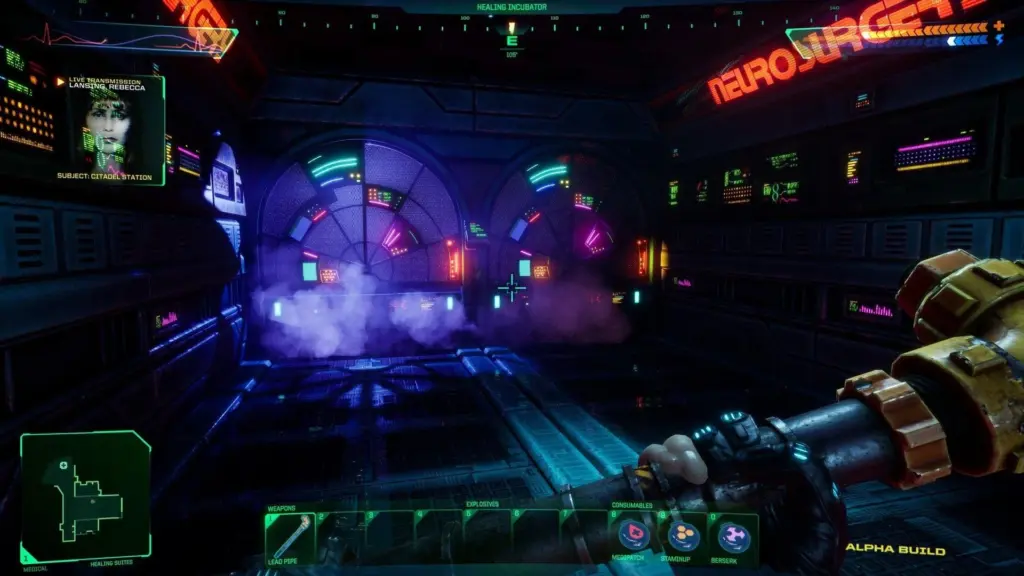
The System Shock remake remains an important example for studios handling classic games. It shows that preservation and modernization are not enemies, but they constantly pull against each other.
A remake should not be afraid to improve controls, readability, performance or presentation. But it also needs to understand which parts of the original experience are not flaws. In System Shock, discomfort, isolation, layered systems and player uncertainty are part of the design.
That lesson applies beyond one game. Many older titles are now being revived for modern platforms. Some need careful remasters. Some deserve full remakes. Some should be left closer to their original form. The hardest part is knowing which approach serves the game rather than the market.
A Better Ending Than It First Seemed
The original reaction to the System Shock hiatus was disappointment, and that disappointment was fair. Fans had waited for a game that seemed uniquely deserving of a remake, only to hear that the project had drifted into trouble.
But the later outcome gives the story a stronger ending. Nightdive paused, reassessed and eventually delivered the remake. That does not make the development road smooth, but it does make the apology feel less like a cancellation note and more like a necessary moment of course correction.
System Shock was always going to be a hard game to bring back. It was too important to casually modernize and too old to simply polish without thought. The apology showed how fragile that balance was. The finished remake showed that the balance, while difficult, was not impossible.
For players, the best takeaway is simple: some games are classics because they resist easy solutions. System Shock was one of them.