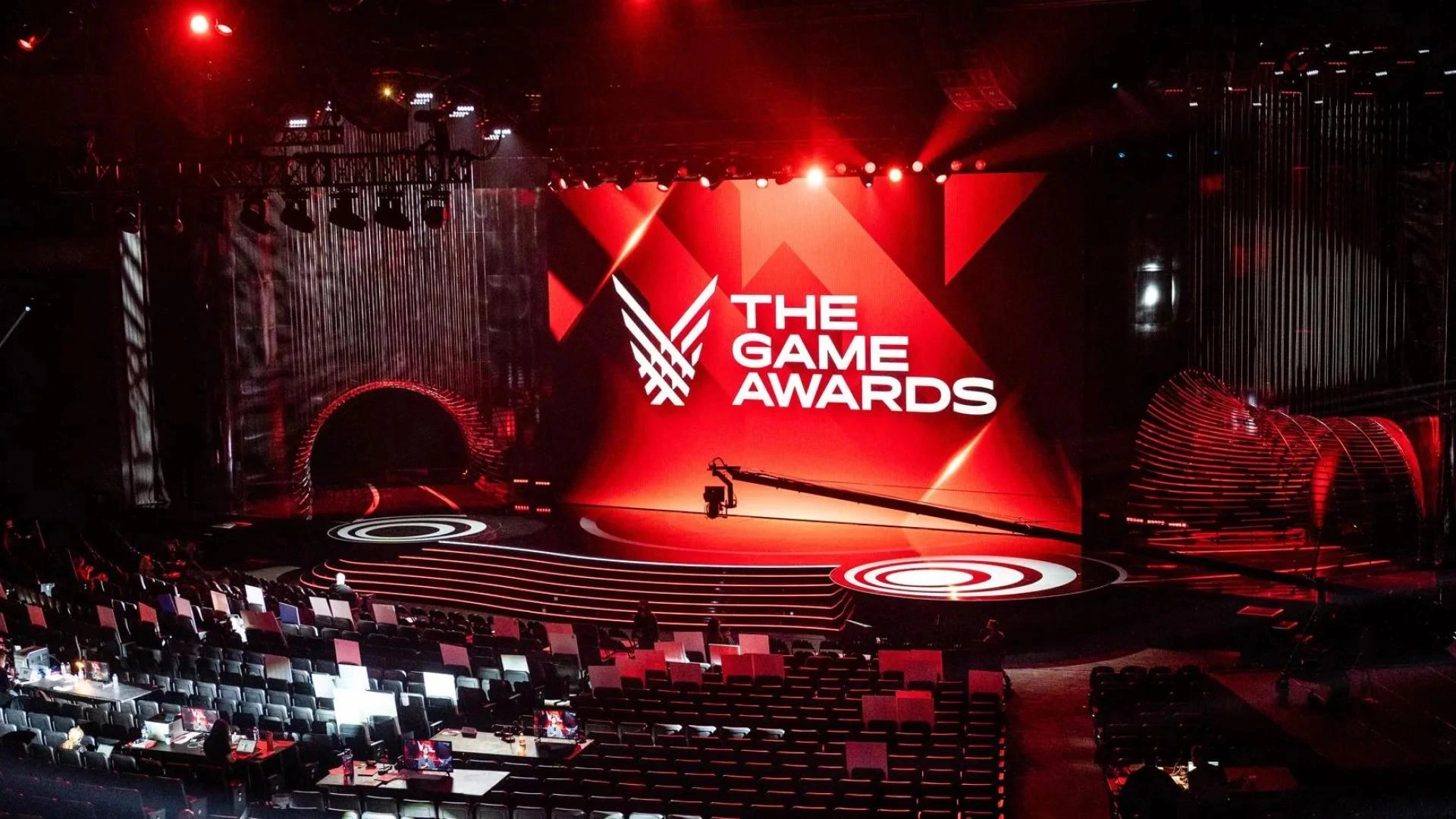
The Game Awards are no longer just an awards show. They are part ceremony, part trailer showcase, part marketing event, part celebrity stage and part annual argument generator for the gaming industry. Every December, the show turns one night into a mixture of game reveals, award speeches, orchestra segments, creator appearances, esports categories, fan wars and social media chaos.
That popularity is exactly why criticism matters. If The Game Awards were a small side event, its flaws would not matter much. But the show has become one of the most visible industry stages in gaming. It shapes public conversation, gives publishers a major marketing window, helps smaller games reach new audiences and influences how players remember a year.
The original version of this argument was written around the 2019 nominations, when Death Stranding received heavy attention, Devil May Cry 5 missed the Game of the Year category, and many players questioned whether The Game Awards were rewarding quality or simply rewarding visibility. Years later, the same debate still exists, even if the show has grown, changed and become more complicated.
Why The Game Awards Feel So Powerful
The Game Awards work because they combine two things the gaming audience already cares about: recognition and reveals. Players tune in to see who wins, but many also watch for world premieres, new trailers, release dates and surprise announcements.
That creates a strange tension. The awards are supposed to honour the best games of the year, but the broadcast often feels built around what comes next. A developer may win an important category and get only a short speech, while a trailer for an unreleased project receives a major spotlight.
This is not an accident. The Game Awards are also a business. Publishers want attention. Platforms want placement. Viewers want hype. Sponsors want visibility. The result is a show that sometimes treats awards as the structure holding together a marketing event, rather than the other way around.
That does not make the show worthless. It just means viewers should understand what they are watching.
The 2019 Controversy: Death Stranding, Sekiro and the Missing Names
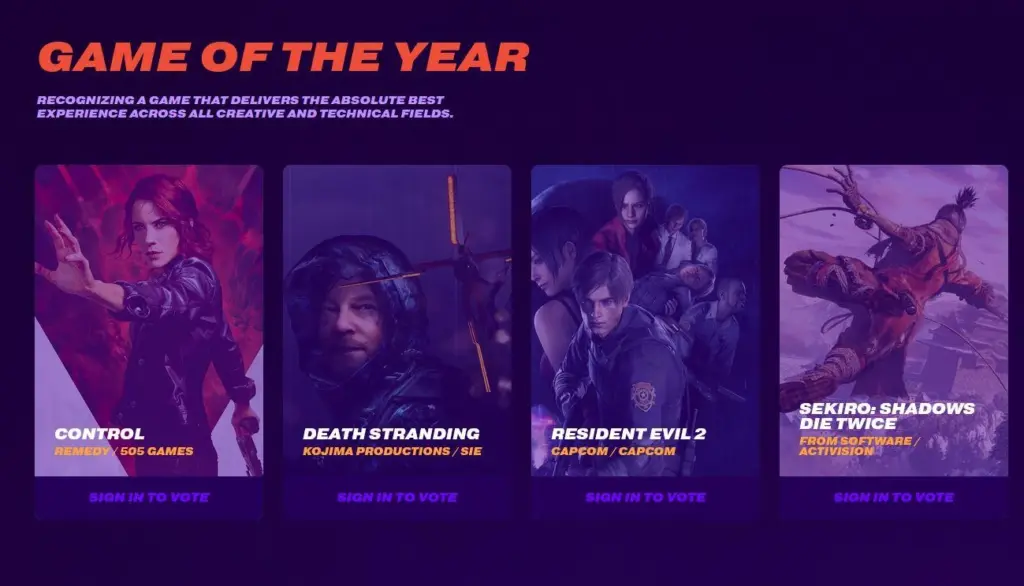
The 2019 Game Awards remain a useful case study because the nominations created immediate debate. Death Stranding received ten nominations, the most at that year’s show, while Sekiro: Shadows Die Twice ultimately won Game of the Year. The official 2019 Game Awards archive lists Sekiro as the Game of the Year winner and Death Stranding as the winner for Best Game Direction.
The controversy was not simply that Death Stranding was nominated. It was an ambitious, strange and technically impressive game that deserved serious discussion. The frustration came from the perception that some other strong games were underrepresented or ignored. Devil May Cry 5, Metro Exodus, Bloodstained: Ritual of the Night and other titles were regularly brought up by players who felt that the nomination spread did not reflect the full year.
In hindsight, the old anger around Death Stranding looks partly exaggerated and partly understandable. It was not ridiculous for the game to appear across multiple categories. But the nomination count did reinforce a familiar concern: The Game Awards often favour games that already have major cultural weight, strong publisher visibility or industry prestige.
Are The Game Awards Just a Popularity Contest?
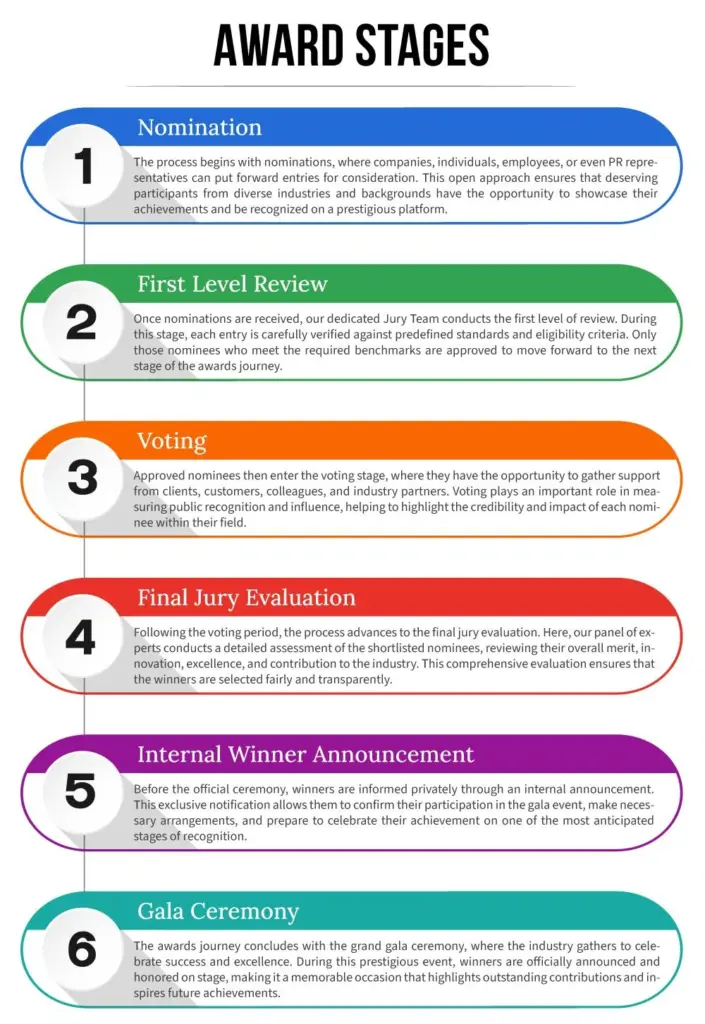
The Game Awards are not a pure popularity contest, at least not structurally. According to the official FAQ, winners are determined through a blended vote: 90% voting jury and 10% public fan voting. The nominees are selected by a voting jury made up of more than 100 media and influencer outlets globally.
That structure actually means the public has less power than many viewers assume. Fan campaigns can influence conversation, but most award outcomes are shaped by the jury. This helps prevent simple popularity dominance, but it creates a different problem: the awards reflect the taste, access, priorities and blind spots of the critic and media ecosystem.
That ecosystem often favours certain kinds of games. High-profile narrative action games, prestige indies, major platform exclusives and heavily discussed AAA releases tend to be easier to recognize across a broad jury. Smaller genre specialists, niche PC games, experimental multiplayer titles, excellent expansions or regionally popular games can struggle unless they break into the wider media conversation.
So the better criticism is not “fans vote badly.” It is that a broad jury system can still produce narrow recognition when the industry conversation itself is narrow.
The Category Problem
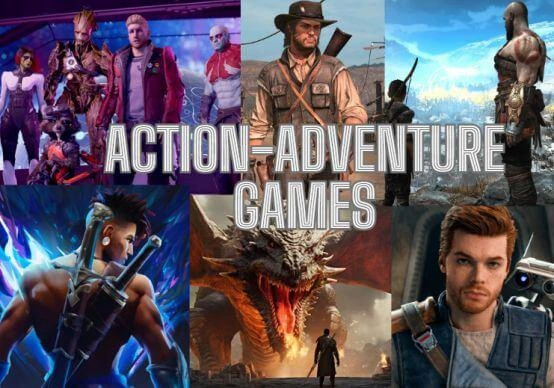
The Game Awards have always had a category issue. Some categories are useful and clear: Best Art Direction, Best Score and Music, Best Performance, Best Independent Game, Best RPG, Best Fighting Game, Best Ongoing Game. Others create debate because they are broad, inconsistent or difficult to compare.
The old argument about missing categories still holds up. Gaming is too diverse for a small group of genre awards to capture everything well. A 2D platformer, a metroidvania, an immersive sim, a tactical shooter, a survival horror game and a character action game can all be excellent in ways that broad categories fail to measure.
For example, “Best Action” and “Best Action/Adventure” often become catch-all spaces. A game with brilliant level design may not have a category that properly highlights that achievement. A mechanically outstanding shooter may compete against something built around a totally different design language. Smaller categories could help, but adding too many categories risks making the broadcast longer and harder to follow.
The issue is not that every subgenre needs a trophy. The issue is that the current structure sometimes rewards marketing-friendly labels more than specific craft.
Esports, Creators and the Identity Split
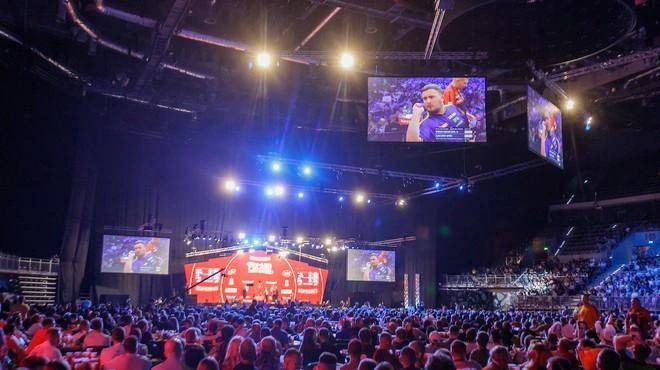
The Game Awards also tries to serve multiple audiences at once. It covers traditional games, esports, content creators, accessibility, community support, live service titles, performances and trailers. That wide scope makes the show feel big, but it also creates identity problems.
Some viewers care deeply about esports awards. Others see categories like Best Esports Host or Best Esports Coach and feel disconnected because they do not follow that scene. Some viewers enjoy content creator categories. Others see them as a popularity contest inside an already popularity-sensitive show.
The problem is not that esports or creators do not deserve recognition. They do. The problem is that The Game Awards often places many different industries under one roof without giving each enough room to feel properly explained. A casual viewer may see names they do not know, short category presentations and quick winners with little context.
If the show wants to honour those areas seriously, it needs to make the categories feel less like checklist segments and more like part of gaming culture.
Marketing Is Not the Enemy, But It Should Not Eat the Show

One of the easiest criticisms of The Game Awards is that it is full of marketing. That is true, but it is also part of why people watch.
Game reveals are exciting. New trailers can be genuinely memorable. Smaller games can benefit from appearing in front of a huge audience. Big publishers use the stage because the stage works.
The problem begins when marketing overwhelms recognition. Developers who spent years building the games being honoured should not feel like interruptions between trailers. Award winners should get enough time to speak. Categories should not feel rushed. The show should make players care about why a game won, not just what trailer comes next.
The best version of The Game Awards would not remove marketing. It would rebalance the event so the awards feel like the heart of the night rather than the excuse for the broadcast.
What Recent Shows Reveal
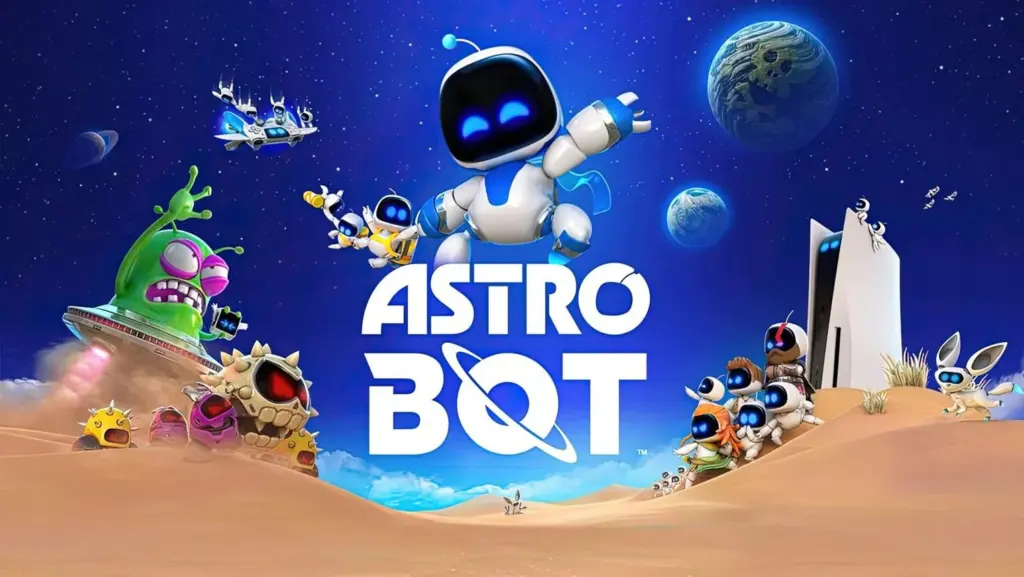
Recent Game Awards events show both progress and the same old tensions. In 2024, Astro Bot won Game of the Year and took home four awards, while Balatro, Metaphor: ReFantazio, Helldivers 2, Black Myth: Wukong and Final Fantasy VII Rebirth were among the major winners and nominees discussed across the show.
That result complicates the “only massive AAA games win” argument. Astro Bot was a polished platformer from Sony’s Team Asobi, and Balatro, a small roguelike deckbuilder, became one of the year’s most celebrated games. Recognition for smaller or more focused titles does happen.
But the broader criticism still survives because awards attention is uneven. Some genres remain under-discussed. Some technically impressive games fail to fit cleanly into the structure. Some categories feel more transparent than others. And every year, players can point to excellent games that had little chance because they lacked the right visibility window.
The Game Awards are better than a simple popularity poll. They are also not a perfect measure of the year.
Why Players Get So Angry

Players argue about The Game Awards because awards create a false sense of finality. A Game of the Year trophy can make it feel like one game officially “won” the year, even when gaming does not work that way.
A player who spent 100 hours in a niche RPG may not care that a cinematic action game dominated nominations. A fighting game fan may feel ignored when their scene receives limited attention. A PC player may wonder why certain strategy or simulation games barely register. An indie fan may see brilliant smaller games squeezed into one or two categories.
That anger is not always fair, but it is understandable. Games are personal. The more a show claims to represent the industry, the more players expect to see their corner of gaming reflected.
What The Game Awards Could Do Better
The Game Awards do not need to become smaller or less entertaining. They need sharper editorial discipline.
The show could give winners more speaking time and reduce the feeling that awards are being cleared quickly between ads and trailers. It could explain categories better. It could rotate or add craft-focused awards such as level design, systems design or technical achievement. It could separate some esports or creator awards into a stronger dedicated segment with context rather than quick name-checking.
It could also be more transparent in how nominations are shaped. The 90/10 voting split is clear, but viewers still often do not understand how games move from eligibility to nomination to winner. Better communication would not eliminate arguments, but it would make the arguments less conspiratorial.
Most importantly, the show should remember that gaming’s strength is variety. The more the awards reflect that variety, the more credible the event becomes.
The Game Awards Are Useful, But Not Definitive

Calling The Game Awards a joke is satisfying when nominations feel absurd, but it is not fully accurate anymore. The show has real value. It gives developers a stage, brings players together, creates memorable reveals and sometimes highlights games that benefit from the attention.
But The Game Awards are not the final truth about a gaming year. They are one institution with one voting model, one broadcast structure and one set of industry incentives.
Players should watch them, enjoy the trailers, celebrate the deserving winners and still question the categories, omissions and marketing weight. A healthy gaming culture should not treat any awards show as sacred.
The Game Awards are at their best when they remind players how much good work happened across the year. They are at their worst when they make the industry feel smaller than it really is.
That is the real criticism: not that the show exists, but that a show this influential should do more to reflect the full range of games it claims to celebrate.