Telltale Games did not disappear quietly. When the studio collapsed in 2018, it felt like the end of a specific kind of narrative game: episodic, choice-driven, emotional, licensed, sometimes clumsy, often memorable, and built around the idea that a player could sit down for one chapter and end up emotionally trapped for an entire weekend.
For many players, Telltale was not just another developer. It was the studio behind The Walking Dead, The Wolf Among Us, Tales from the Borderlands, Batman, Game of Thrones, Minecraft: Story Mode and several earlier point-and-click projects. Its best games made conversations, moral hesitation and character attachment feel as important as combat or mechanical mastery.
The original shutdown was brutal. In September 2018, Telltale announced a majority studio closure and laid off almost all staff, leaving only a small group behind to handle remaining obligations. The future of The Walking Dead: The Final Season became uncertain until Skybound later stepped in to help complete Clementine’s story.
Looking back now, the Telltale story is not only about a studio failing. It is about what the studio changed, why its formula became powerful, why that same formula became a burden, and why its name still carries weight in narrative gaming.
Before the Breakthrough: The Older Telltale
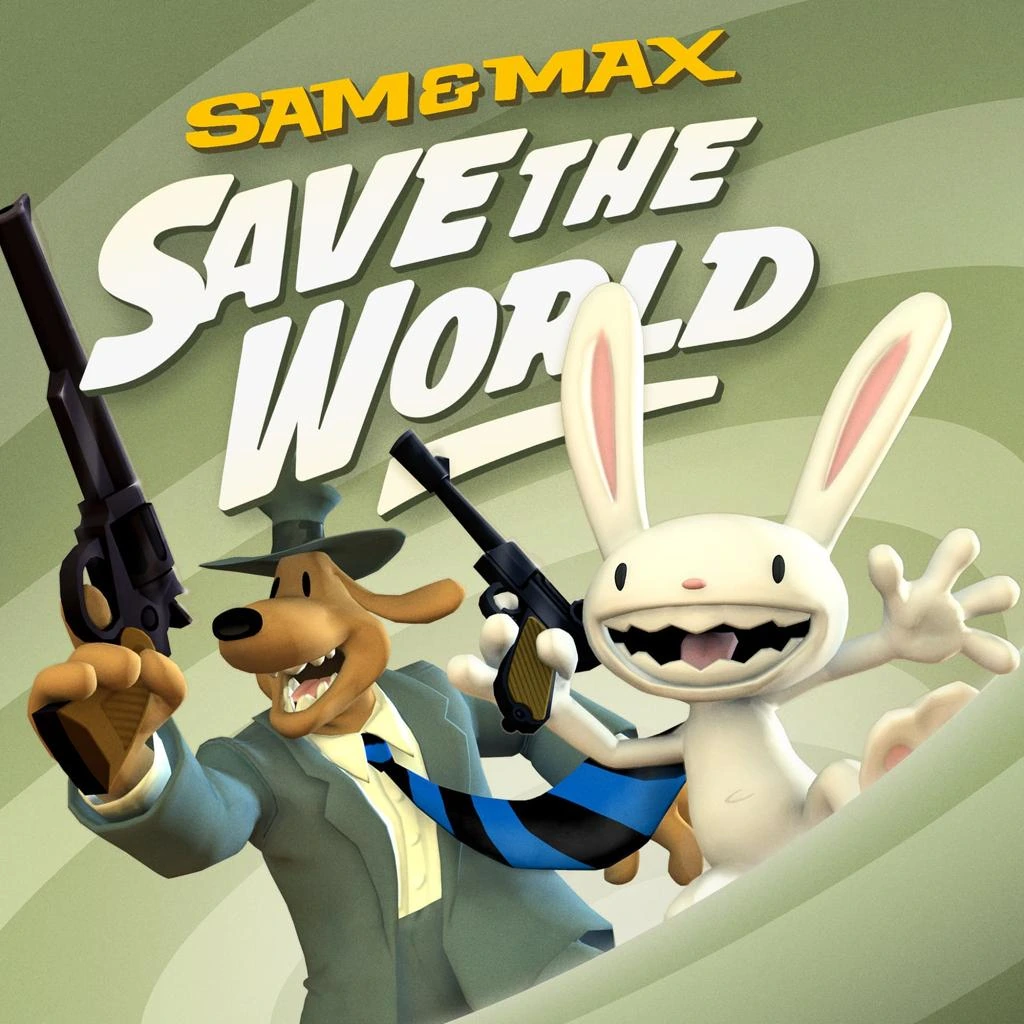
Telltale Games was formed by former LucasArts developers, and that origin mattered. Before the studio became known for emotional licensed dramas, it worked in the older adventure-game tradition: point-and-click structure, dialogue, puzzles, comedy and episodic releases.
This earlier Telltale was closer to Sam & Max, Monkey Island energy, Poker Night at the Inventory and the kind of lighter adventure design that still had one foot in classic PC game history. The games were not all masterpieces, but they showed a studio that understood dialogue rhythm, character voice and short-form episodic pacing.
That period matters because it explains what Telltale later became. The studio did not suddenly invent narrative games with The Walking Dead. It had already been training itself in episodic structure, licensed writing and character-driven scenes. The major shift was not from “no story” to “story.” It was from puzzle-led adventure to emotionally driven interactive drama.
The Walking Dead Changed Everything
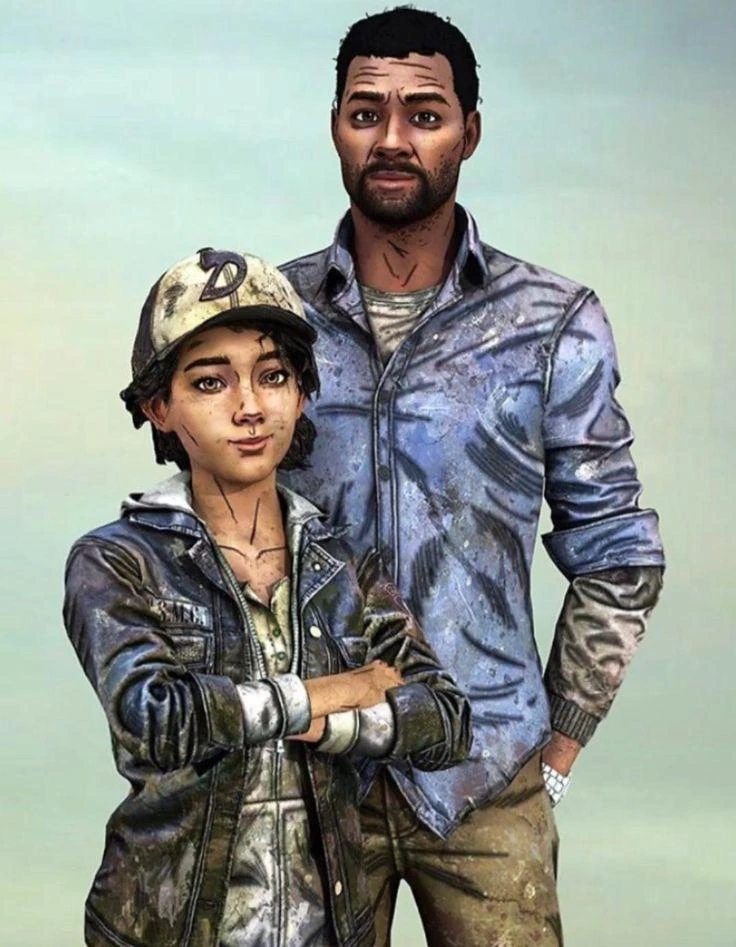
The real break came with The Walking Dead in 2012. Based on Robert Kirkman’s comic universe, the game followed Lee Everett and Clementine through a zombie apocalypse where the most painful moments came less from walkers and more from people, trust and impossible choices.
The Walking Dead won major year-end recognition, including Game of the Year at the 2012 Spike Video Game Awards, and became a commercial breakthrough for Telltale. By July 2014, the broader series had reached 28 million episode sales, showing how far the format had travelled beyond a niche adventure audience.
The reason it worked was simple but powerful: Clementine. The bond between Lee and Clementine gave the game an emotional centre that could survive simple mechanics, rough animations and limited interactivity. Players were not there because the shooting was deep or the puzzles were complex. They stayed because they cared what happened to this child and the people around her.
That was Telltale’s strongest trick. At its best, the studio made players care enough that limited control still felt meaningful.
Why Telltale’s Formula Worked
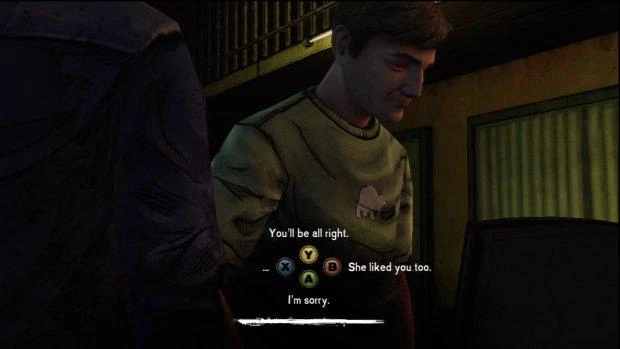
Telltale’s post-Walking Dead style was easy to understand but difficult to execute well. The player moved through scenes, made dialogue choices, reacted to timed prompts and watched consequences unfold across episodes.
Critics often argued that choices did not always change the story as much as the games suggested. That criticism was fair. But when the writing worked, the emotional pressure did not depend only on huge branching outcomes. It depended on how the player felt in the moment.
Do you lie to protect someone?
Do you save one person and leave another behind?
Do you trust a character who may betray you?
Do you tell a child the truth when the truth is cruel?
The genius of Telltale was not always in mechanical freedom. It was in making small decisions feel heavy because the characters felt human enough to matter.
The Wolf Among Us and Style as Storytelling
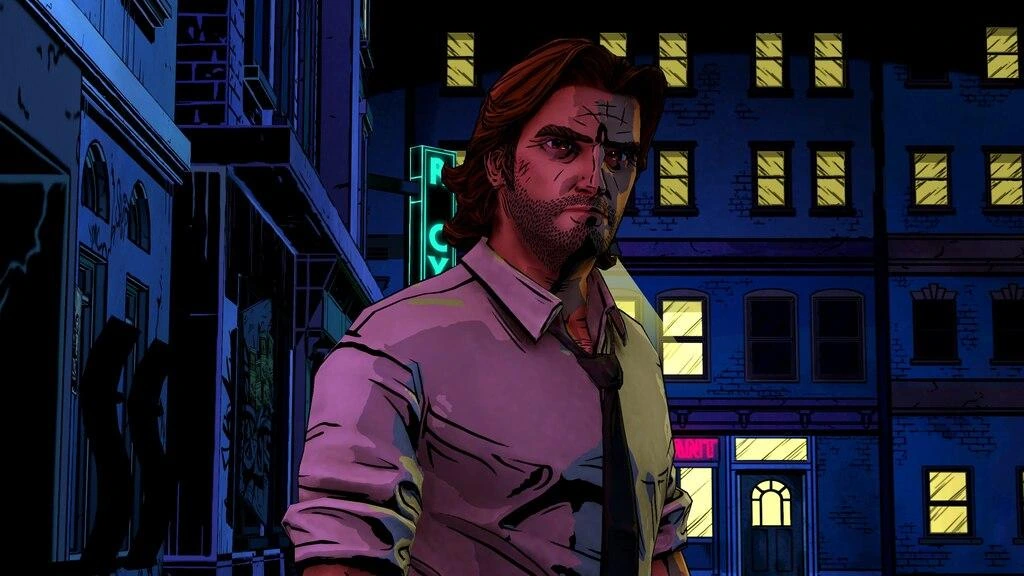
The Wolf Among Us remains one of Telltale’s strongest games because it did not simply repeat The Walking Dead with a different licence. Based on the Fables comic universe, it followed Bigby Wolf through a neon-noir mystery filled with fairy-tale characters living in a broken, adult, violent world.
Where The Walking Dead was dusty, desperate and emotionally raw, The Wolf Among Us was stylish, sharp and moody. Its colour palette, soundtrack and detective structure gave it a personality that still stands apart from much of Telltale’s catalogue.
That is why fans continued asking for The Wolf Among Us 2 for years. The first game proved that Telltale’s formula could do more than survival tragedy. It could handle noir, moral compromise, urban fantasy and atmosphere.
The sequel became one of the most painful casualties of the studio’s collapse, though the revived Telltale later returned to the project. Its long and delayed road is a reminder that Telltale’s legacy did not end cleanly in 2018.
Tales from the Borderlands and the Studio at Its Funniest
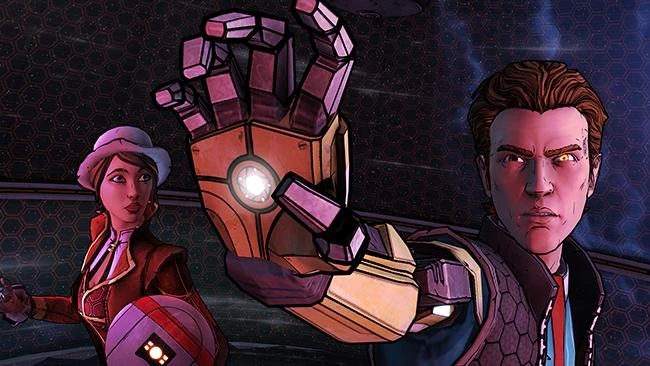
Tales from the Borderlands showed another side of Telltale. Instead of leaning on tragedy or grim moral choices, it embraced comedy, timing, visual chaos and the absurdity of Gearbox’s universe.
The result was one of the studio’s most balanced projects. It understood Borderlands without simply imitating the main games. It used the setting for character comedy, corporate satire, scams, action scenes and surprisingly strong emotional beats.
For many players, Tales from the Borderlands was proof that Telltale did not need constant misery to create attachment. It could be funny, stylish and still meaningful. It also showed the studio at a point where its licensed model felt exciting rather than exhausting.
The Expansion Problem
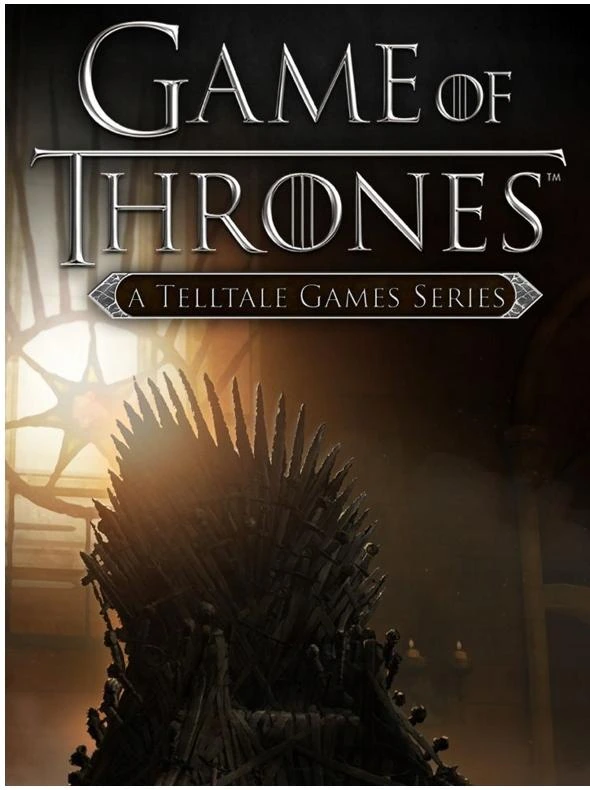
After success, Telltale did what many studios do: it expanded. The company took on more licences, more projects and more release pressure. Game of Thrones, Minecraft: Story Mode, Batman, Guardians of the Galaxy, The Walking Dead spin-offs and other major properties stretched the studio across multiple audiences and production demands.
On paper, this looked like strength. Telltale had access to huge brands. In practice, it created fatigue. The formula started to feel familiar. The engine showed its age. Bugs and performance issues became recurring complaints. Episodes sometimes felt shorter or less surprising. Choices could feel less meaningful when players recognized the structure too clearly.
The studio’s own success had created a trap. Players wanted Telltale stories, but too many Telltale stories made the format feel predictable.
The Engine and Production Strain

A major part of the Telltale decline was technical. The studio continued relying on internal technology that increasingly struggled to support modern expectations. Players noticed the same kinds of animation problems, performance drops, visual stiffness and bugs across different projects.
This mattered because narrative games rely heavily on presentation. If a dramatic scene stutters, a facial animation looks awkward or a transition breaks, the emotional spell weakens. Telltale games did not need cutting-edge graphics, but they did need technical stability and expressive direction.
At the same time, the studio was producing too many projects for its size and structure. The original text compared the situation to a company trying to run from one huge licence to another with deadlines always closing in. That still feels accurate. The problem was not simply that Telltale made licensed games. The problem was that the studio’s process could not keep up with the scale of its obligations.
The 2018 Closure
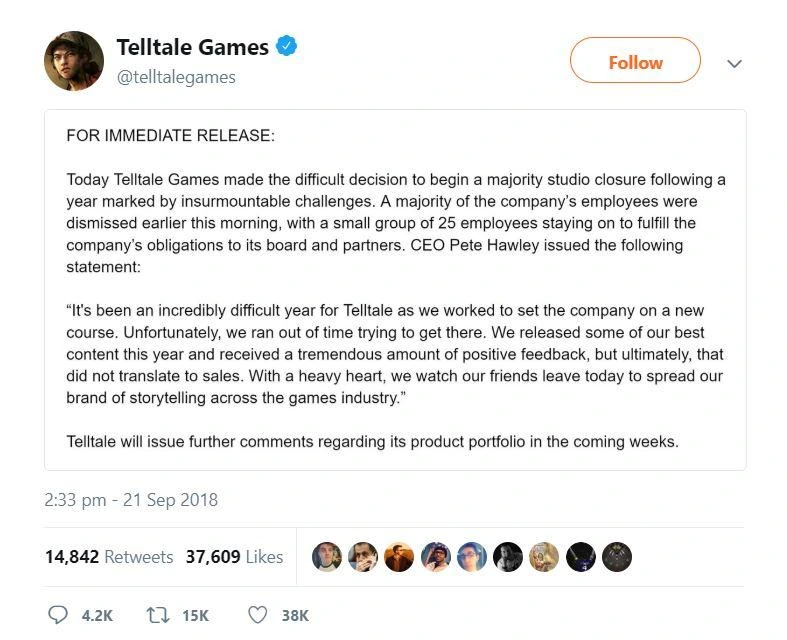
The 2018 shutdown hit hard because it arrived while The Walking Dead: The Final Season was still unfinished. Players had followed Clementine since 2012. Developers had spent years building the series. Then, suddenly, the ending was uncertain.
The human cost was even more important. Most of the staff lost their jobs during the majority closure, and the industry conversation quickly shifted from game disappointment to labour conditions, management decisions and the instability behind beloved games. The old romantic image of Telltale as a story factory gave way to a harsher reality: too much work, too many promises and not enough sustainable structure.
The studio’s collapse became one of the clearest warnings in modern game development. Creative success does not protect a company if leadership, scope and production discipline break down.
Clementine’s Story Was Saved
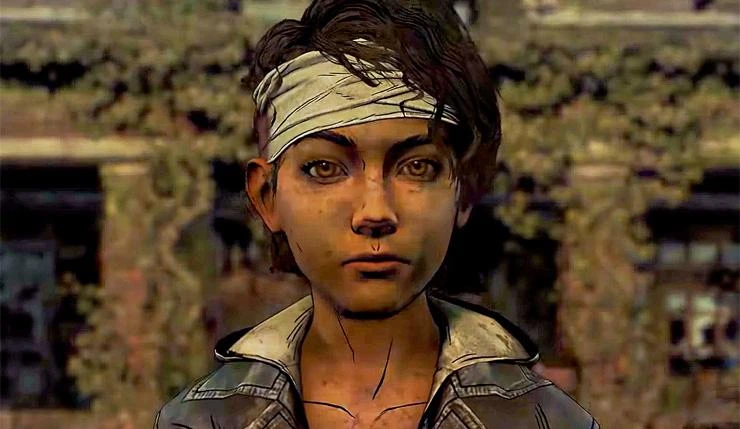
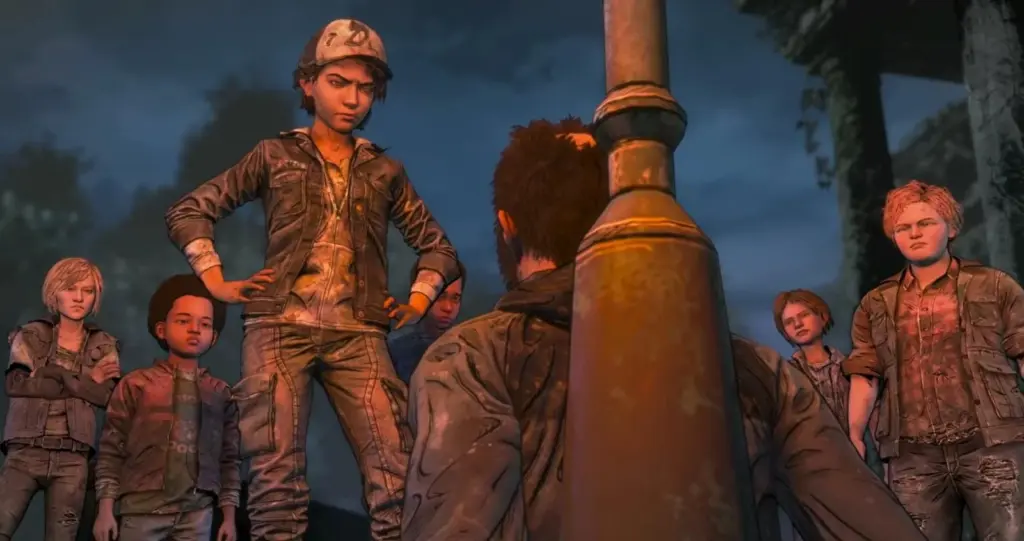
At the time, many fans feared that Clementine’s story would never be finished. That fear was understandable. The Walking Dead was Telltale’s defining series, and leaving it incomplete would have made the shutdown feel even worse.
Skybound eventually helped complete The Final Season, with former Telltale developers continuing work under the “Still Not Bitten Team” name. The final episodes were released, allowing Clementine’s story to receive an ending rather than remain trapped in the collapse.
That did not undo the damage to Telltale’s staff or reputation, but it did preserve one of the studio’s most important creative arcs. For players who had grown with Clementine, that mattered.
The New Telltale
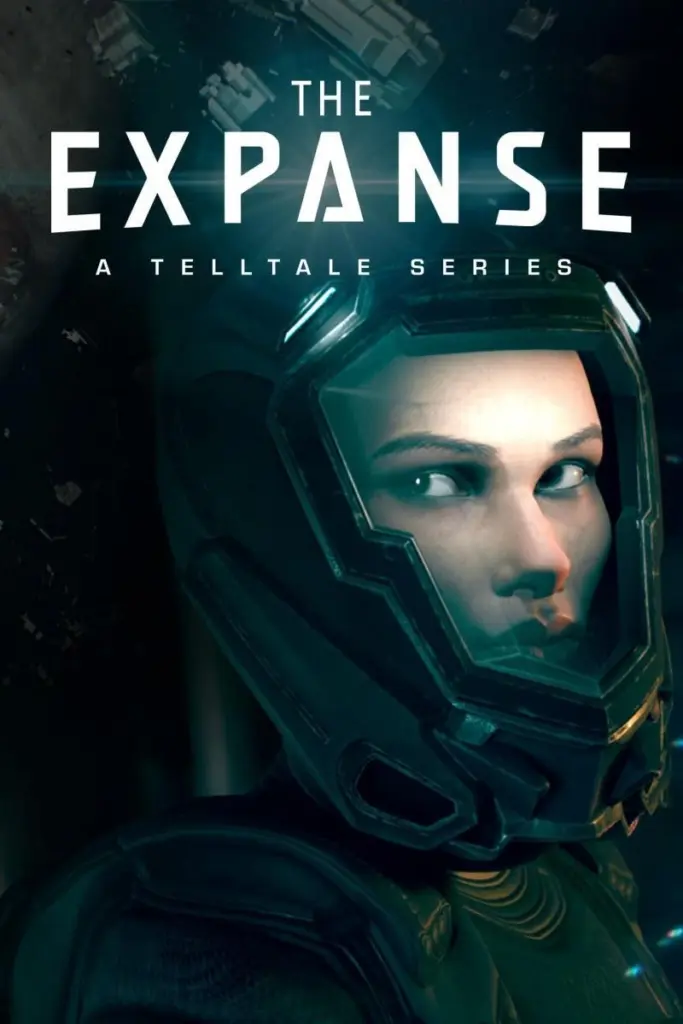
Telltale’s name later returned after LCG Entertainment acquired and revived the brand. The new version of the company is not the same studio that collapsed in 2018, but it inherited the name, expectations and unfinished emotional baggage around projects like The Wolf Among Us 2.
The revived Telltale released The Expanse: A Telltale Series in 2023, co-developed with Deck Nine. Its five episodes launched between July and September 2023 across PlayStation, Xbox and Windows platforms.
That release showed that the Telltale style still has space in modern gaming, but the context has changed. Players now expect stronger production values, clearer choice systems and more respect for development sustainability. The name “Telltale” still carries nostalgia, but nostalgia alone is not enough.
What Telltale Left Behind
Telltale’s legacy is complicated. The studio helped prove that episodic narrative games could reach a wide audience. It made players care deeply about characters who were not controlled through complex mechanics. It showed that licensed games could be emotionally serious rather than cheap tie-ins.
It also became an example of what happens when a successful format is overused. The same episodic structure that once felt fresh became predictable. The same technology that once served the story became a visible limitation. The same licensing strategy that created opportunity became a production burden.
But even with those failures, Telltale mattered.
The Walking Dead made Clementine one of gaming’s most memorable characters. The Wolf Among Us gave players a noir world they still want to return to. Tales from the Borderlands proved comedy and character could carry a licensed spin-off. Batman: The Enemy Within showed the formula could still produce strong work late in the studio’s original life.
Why the End Still Hurts
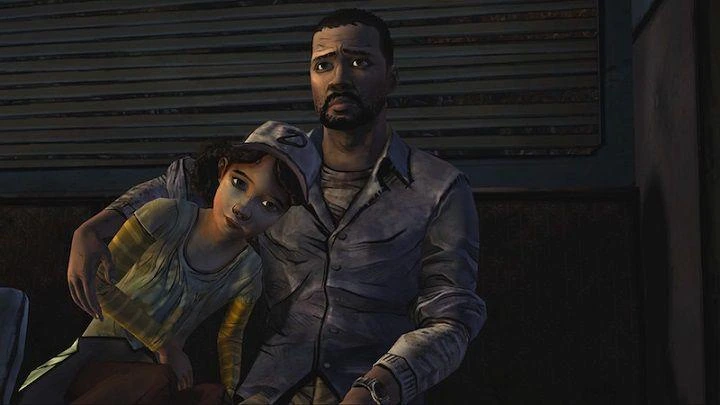
The end of Telltale hurt because the studio’s best games were built around attachment. Players did not only remember mechanics. They remembered Lee, Clementine, Kenny, Bigby, Rhys, Fiona and the feeling of reaching the end of an episode and needing to know what happened next.
That emotional design is why the closure felt personal to so many fans. Telltale had trained its audience to care about endings, then nearly failed to finish one of its most important endings.
The lesson is not that every studio should copy Telltale. The lesson is that storytelling in games can be powerful even when the mechanics are simple, but only if the studio behind it has the structure to survive its own ambition.
Telltale’s original era ended badly, but it did not end meaninglessly. It left behind some flawed games, some unforgettable ones and a clear reminder that stories in games are not just written. They are produced, scheduled, funded, managed and protected.
When that system works, players remember the characters for years. When it fails, even the best stories can nearly disappear before the final episode.