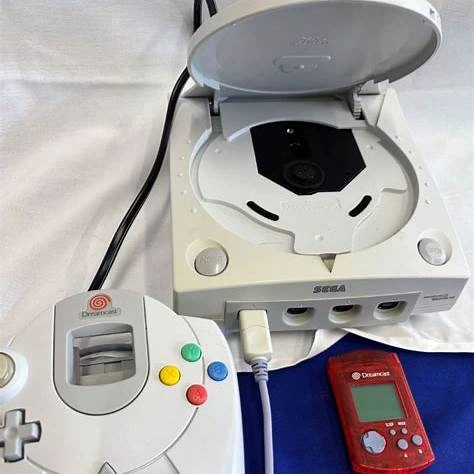
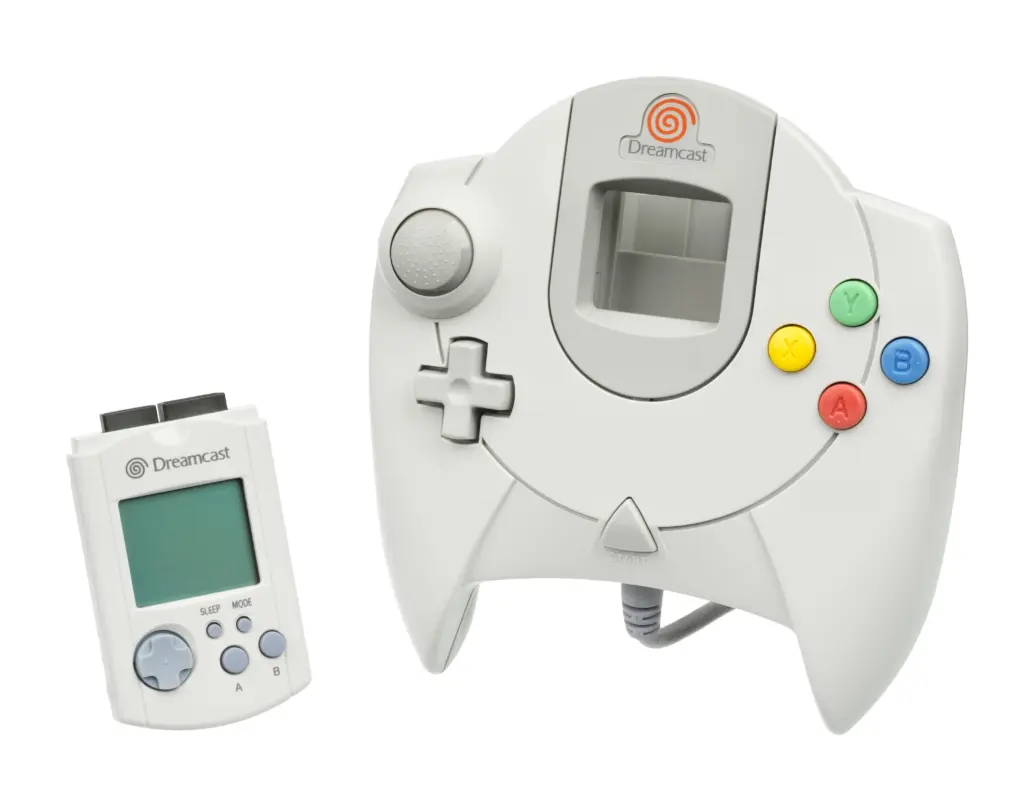
The Sega Dreamcast still has one of the strangest legacies in gaming. It lived briefly, burned brightly and disappeared before many of its most interesting possibilities could properly land. The console gave players online features, arcade-quality releases, VMU experiments, bold Sega exclusives and several games that felt ahead of their generation.
That short life also left behind a fascinating shadow library: games that were planned, rumoured, shown, listed, previewed or quietly discussed, but never reached store shelves. Some were nearly finished. Some barely existed beyond early plans. Some became legends because fans kept finding screenshots, trailers, builds, magazine scans and developer notes years later.
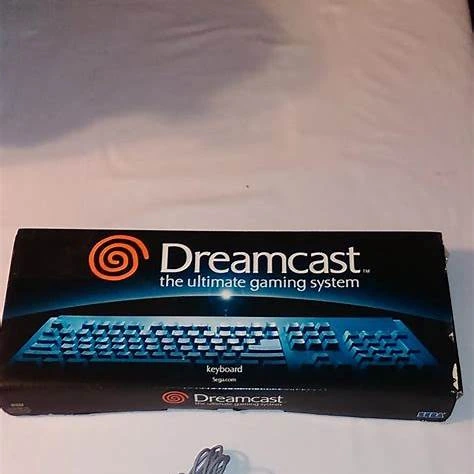
The Dreamcast was especially interesting because it sat close to PC gaming culture. It had keyboard and mouse support, a strong arcade connection, online ambition and enough technical personality to make developers imagine PC-style games on a home console. These are some of the most interesting Dreamcast ports of PC games that never happened.
Why the Dreamcast Was So Close to PC Gaming
The Dreamcast was not simply another console trying to compete with PlayStation 2, GameCube and Xbox. It launched with ideas that felt unusually forward-looking for the late 1990s and early 2000s. Online play, arcade conversions, experimental peripherals and a strong developer-friendly identity made it feel like a machine built for more than standard console releases.
That made PC ports especially tempting. First-person shooters, immersive sims, action games and large technical showcases all seemed more plausible on Dreamcast than they might have on earlier consoles. Keyboard and mouse support helped the idea. So did Sega’s willingness to chase unusual projects.
The problem was timing. By the time several major ports were being discussed or built, Sega’s console business was under pressure. The PlayStation 2 was growing fast, the original Xbox was approaching, and the Dreamcast’s commercial future was becoming harder to defend. Some ports were cancelled because of market conditions. Others likely became too expensive, too technically awkward or too risky for a shrinking platform.
Half-Life
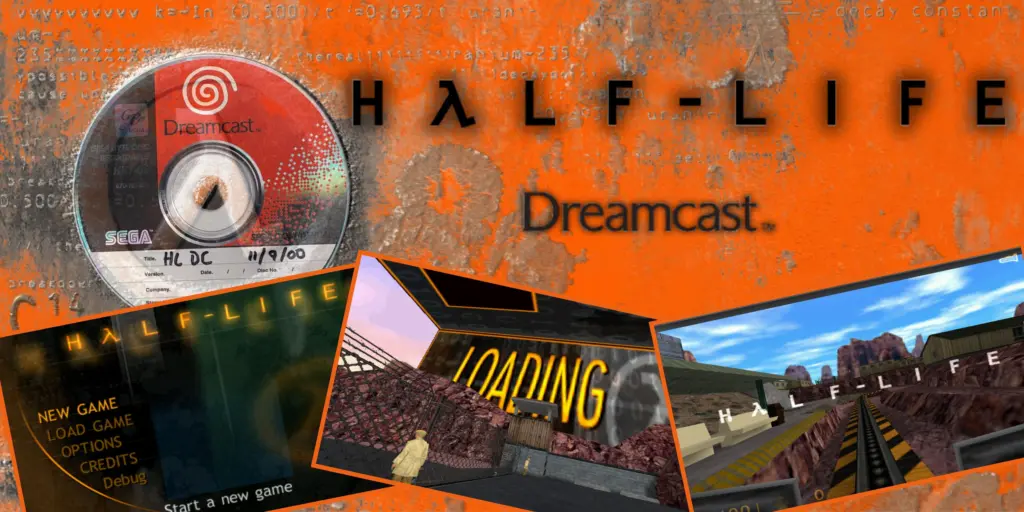
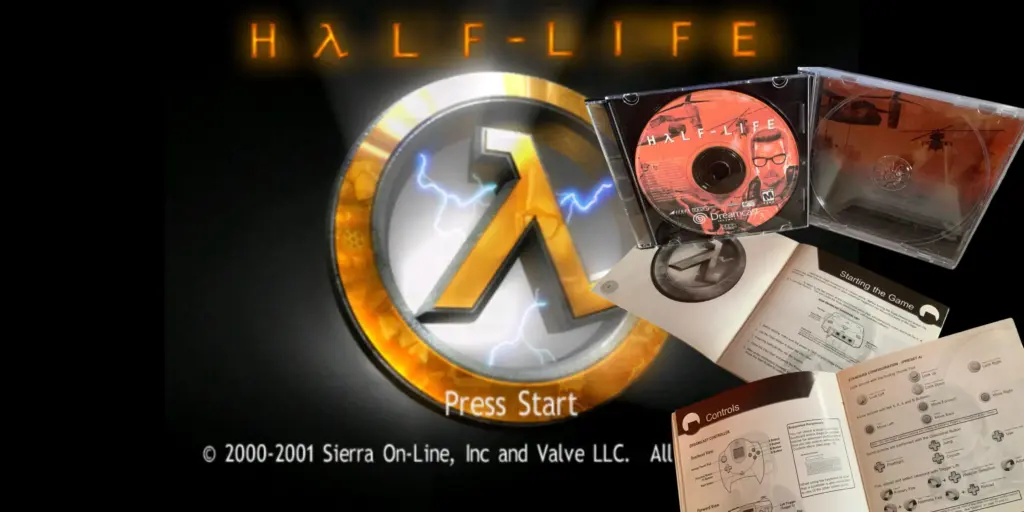
Half-Life is probably the most famous cancelled Dreamcast PC port because it came so close to happening. This was not just a vague rumour. A Dreamcast version of Valve’s landmark shooter was developed by Gearbox Software and Captivation Digital Laboratories, with Sierra involved as publisher. It was planned for a 2001 release and was cancelled only weeks before its expected launch, with “changing market conditions” cited as the reason.
What makes the cancellation more painful is that Half-Life on Dreamcast was not expected to be a lazy conversion. The port was associated with upgraded visuals and the new Blue Shift campaign, which later became part of Half-Life history in its own right. For Dreamcast owners, this could have been one of the console’s strongest bridges between PC shooter culture and console play.
The Dreamcast version also fits the machine surprisingly well. Half-Life was slower, more atmospheric and more world-driven than many shooters of its era. It was not only about reflexes. It was about pacing, spaces, scripted moments and the feeling of moving through Black Mesa as everything went wrong.
A released Dreamcast version would not have saved the console by itself, but it could have changed how the Dreamcast library is remembered. Instead of being a legendary missing piece, Half-Life might have become one of the strongest examples of PC design working on Sega hardware.
Max Payne
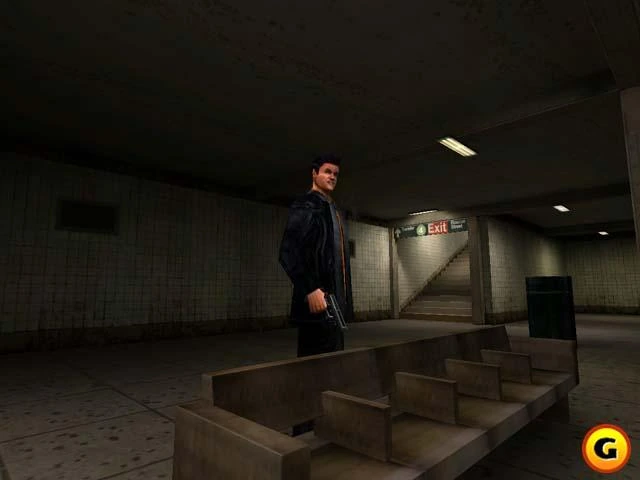
Max Payne on Dreamcast sounds almost impossible and completely believable at the same time. Remedy’s noir action shooter became famous for bullet time, comic-book storytelling, urban atmosphere and stylish third-person combat. A Dreamcast version was announced by Take-Two around the same period as the PC version, but it was delayed, postponed and eventually disappeared.
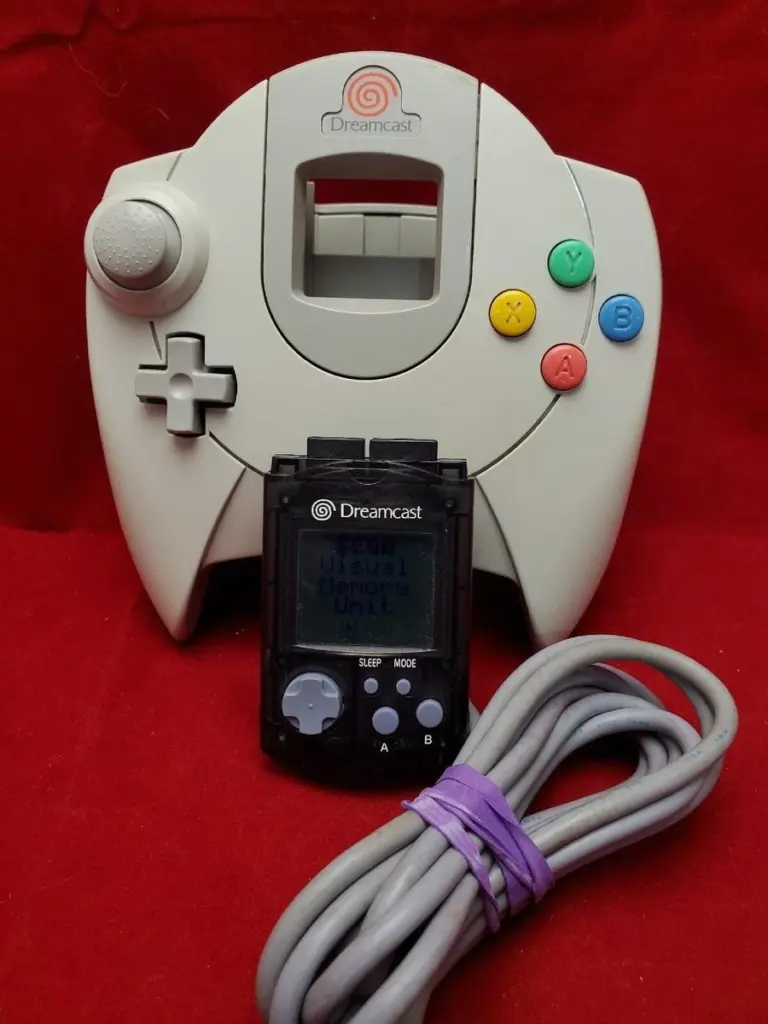
The difficulty is obvious. Max Payne was designed around precise aiming, cinematic movement and fast action. The Dreamcast controller lacked a second analogue stick, which would have made the control scheme a serious challenge. A keyboard and mouse setup might have solved part of the problem for some players, but a console release still needed to work naturally on the standard pad.
That does not mean the port was a bad idea. The Dreamcast had a taste for stylish, sharp-edged games. Max Payne’s graphic novel panels, moody lighting and action-movie identity could have suited the console’s library well. It would have given Sega’s system a darker, more mature action title at a time when players were beginning to expect bigger cinematic experiences from console games.
Still, the timing hurt it. Max Payne took time to finish, and by the time it became a major PC success, the Dreamcast was no longer the safe platform it once seemed. In hindsight, the cancelled port feels like one of those projects that made sense in 1998 or 1999, then became less practical every month the console struggled.
Outcast
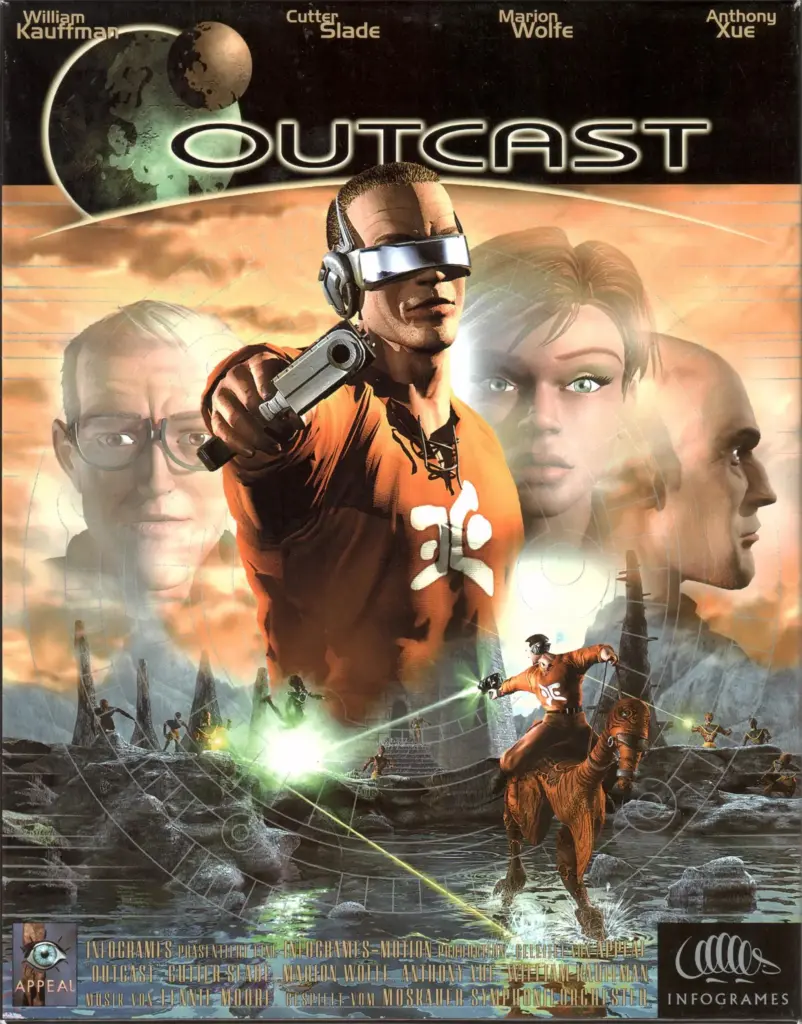
Outcast is one of the more ambitious names connected to the Dreamcast’s lost PC-port history. Released on PC in 1999, Outcast was admired for its open-world structure, unusual technology, orchestral presentation and sense of scale. It was also demanding, strange and not easy to translate to console hardware.
The original article correctly treated Outcast as a technical long shot. The game’s voxel-based engine and broad environments were part of its identity, but also part of the reason a Dreamcast version would have been difficult. The Dreamcast was capable, but Outcast would almost certainly have required compromises in visuals, performance, world detail or content.
The more interesting question is whether a Dreamcast version could have helped Outcast reach a different audience. On PC, it was respected but not a mass-market giant. On Dreamcast, it might have stood out as a large, exploratory adventure with a different flavour from Sega’s arcade-heavy library.
That is the charm of this lost port. It was not the safest commercial idea, but it matched the Dreamcast’s identity as a console that often felt more adventurous than its sales numbers allowed.
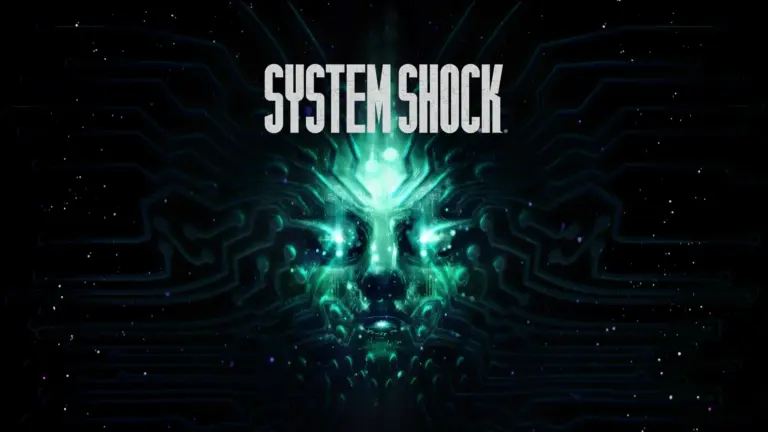
System Shock 2
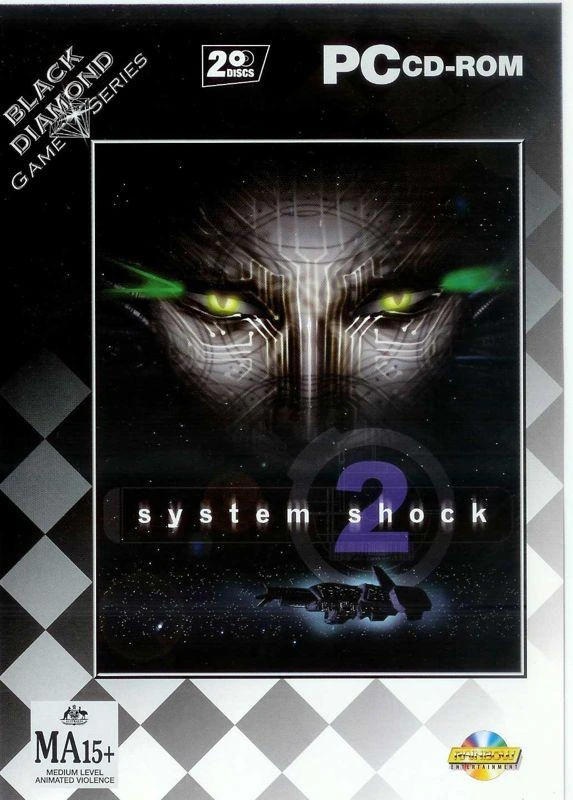
System Shock 2 on Dreamcast remains one of the most fascinating cancelled ports because it sounds both perfect and terrifying. The original PC game, developed by Irrational Games and Looking Glass Studios and released in 1999, became one of the most important immersive horror and RPG-influenced first-person games of its era.
A Dreamcast port was planned, with Marina Games connected as developer and Vatical Entertainment as publisher. Sega Retro notes the Dreamcast version under the game’s release history, while fan preservation sites and Dreamcast historians have continued to document the cancelled project.
The technical problems were easy to imagine. System Shock 2 was dense, interface-heavy and full of inventory management, stats, audio logs, exploration, combat, hacking and environmental tension. Translating that to Dreamcast would have required careful controller work, loading management and UI redesign. Old reports and prototype discussions have also mentioned performance and loading problems, which fits the scale of the challenge.
But if it had worked, it could have been extraordinary. The Dreamcast had keyboard and mouse support, which would have helped a game like System Shock 2 more than most console ports. It also needed deeper, stranger games that could show the machine was not only for arcade action and bright Sega experimentation.
System Shock 2 never reached Dreamcast, and maybe it was always too complex for the timing. But as a “what if,” it remains one of the strongest examples of how ambitious Dreamcast’s planned library could have become.
Halo
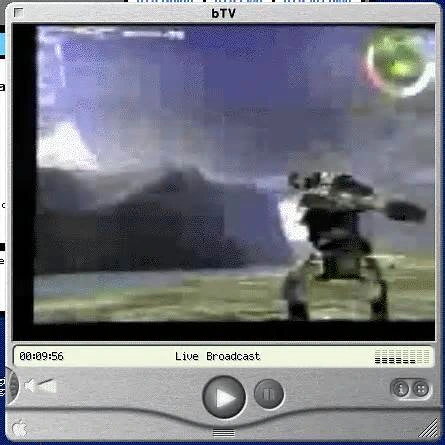
Halo is the trickiest name on this list because calling it a cancelled Dreamcast “port” is not fully accurate. Before Halo became the defining Xbox launch title, it had a long and changing development history. It was connected more strongly to Mac and PC development before Microsoft acquired Bungie. Dreamcast rumours have circulated for years, but this is better understood as a rumour or early-era possibility than a confirmed Dreamcast port in the same sense as Half-Life.
Still, the idea refuses to die because it is so strange to imagine. Master Chief beside Sonic, Shenmue, Jet Set Radio and Crazy Taxi feels like an alternate timeline from a gaming magazine fever dream.
If Halo had somehow landed on Dreamcast, it would not have been the same game that defined the Xbox. The final Halo depended heavily on Microsoft’s hardware strategy, controller design, marketing push and console identity. Dreamcast Halo, if it had existed in a serious form, would likely have been a very different project.
That is why Halo belongs here with a warning label. It is part of Dreamcast mythology, not one of its cleanest cancelled-port stories. But mythology matters with this console, because so much of the Dreamcast’s legacy is built from things that almost happened.
Why These Ports Still Matter
Cancelled Dreamcast ports are not just trivia. They show how developers and publishers were thinking at the edge of a generation. PC games were becoming more cinematic, more complex and more influential. Consoles were becoming more technically capable and more connected. The Dreamcast sat right at that transition point.
Half-Life could have strengthened the console’s shooter identity. Max Payne could have brought stylish PC action to Sega hardware. Outcast could have expanded the library’s sense of scale. System Shock 2 could have given the Dreamcast one of the deepest horror-RPG hybrids ever attempted on a console. Halo, even as a rumour, shows how close the era was to completely different platform histories.
The sad part is that these games did not fail because the Dreamcast lacked imagination. They failed because timing, money, market pressure, technical limits and Sega’s shrinking runway all collided.
The Dreamcast Library That Exists Only in Fragments
The Dreamcast’s cancelled PC ports still attract attention because they represent the console’s unfinished future. This was a machine that seemed ready to pull arcade games, online play, PC shooters, experimental adventures and niche Japanese creativity into one strange ecosystem.
Some of that future happened. Much of it did not.
That is why lists like this still matter to Dreamcast fans. They are not only about missing games. They are about reading the outline of a console that had more plans than time. Every cancelled port tells the same story in a different way: the Dreamcast was not short on ideas. It was short on years.
For players looking back today, these lost ports make the system feel even more special. The Dreamcast was not simply a failed console. It was a console full of unfinished roads, and some of the most interesting ones began on PC.