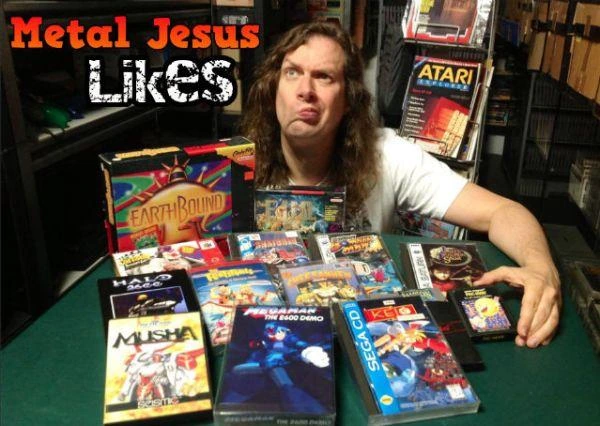

Metal Jesus Rocks has become one of the most recognizable names in the retro gaming community. His channel is built around hidden gems, buying guides, game collecting, music, old-school PC gaming and the kind of enthusiasm that makes retro coverage feel personal rather than mechanical.
For Gaming Purists News, this interview matters because Metal Jesus Rocks sits at the point where several gaming worlds meet: console collecting, big box PC nostalgia, Seattle’s retro scene, YouTube gaming culture and the history of Sierra On-Line. His official site describes the project as retro gaming with a heavy metal soundtrack, supported by hidden gems, buying guides, road trip videos and community-driven features. It also notes his background as a former Sierra On-Line employee, which gives his retro PC coverage a direct connection to one of gaming’s most important adventure-game eras.
This refreshed page keeps the spirit of the original interview while giving it a cleaner structure for readers discovering Metal Jesus Rocks today.
Who Is Metal Jesus Rocks?
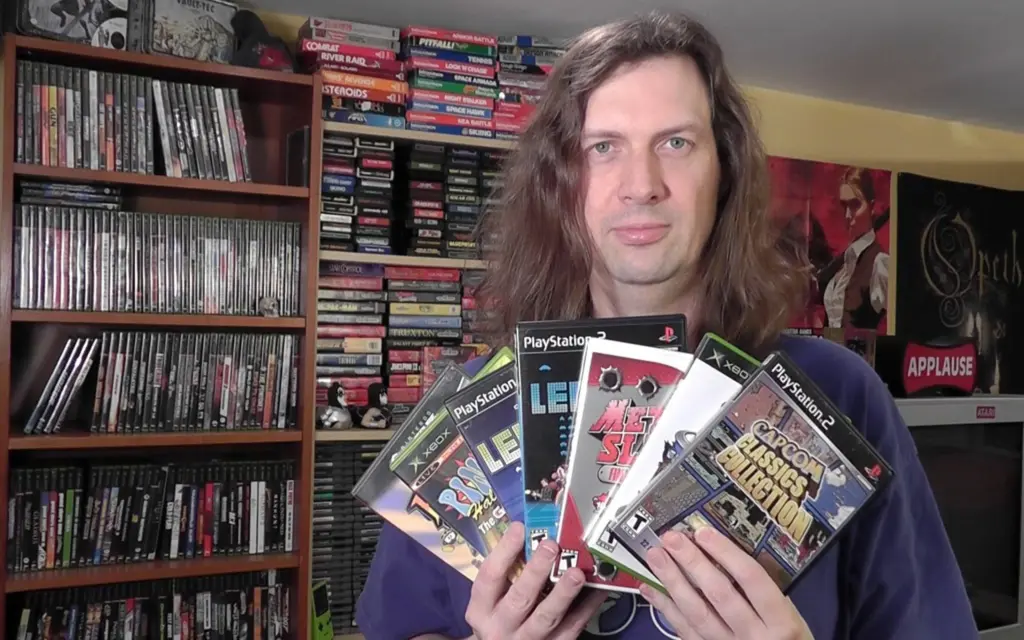
Metal Jesus Rocks, also known as Jason Lindsey, is a retro gaming YouTuber known for game collecting videos, hidden gem recommendations, console buying guides, game room tours, music talk and a relaxed presentation style that feels closer to a collector’s conversation than a scripted media segment.
His channel has remained active because it covers more than one kind of retro interest. Some viewers come for PlayStation 2 recommendations. Some want buying advice for older consoles. Some follow his PC game collecting content because of the Sierra connection. Others simply enjoy watching someone talk about games with long-term affection instead of short-term hype.
That variety is part of why Metal Jesus Rocks fits naturally into Gaming Purists News coverage. Retro gaming is not only nostalgia. It is also preservation, hardware knowledge, community memory and the rediscovery of games that missed mainstream attention the first time.
Why This Interview Still Fits Retro Gaming Today
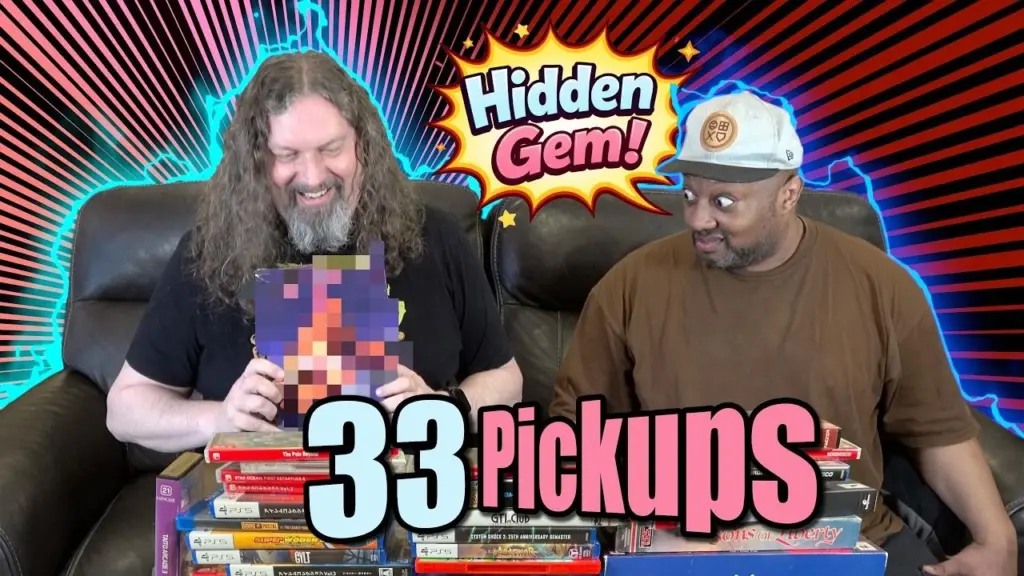
The original interview was built around simple but useful questions: earliest gaming memories, why YouTube became the right format, favourite genres, collecting advice, rare items and hidden game recommendations. Those questions still work because they focus on the human side of collecting.
Retro gaming has changed a lot since YouTube collecting channels first started growing. Prices are higher. Some older systems are harder to buy in clean condition. Emulation, FPGA devices, HDMI mods and remasters have made classic games easier to access in different ways. But the core question remains the same: why do people still care about these games?
Metal Jesus Rocks answers that question through personality. His videos are not only about owning rare objects. They are about memory, curiosity, music, hardware, community and the joy of finding something weird or overlooked.
Earliest Gaming Memory
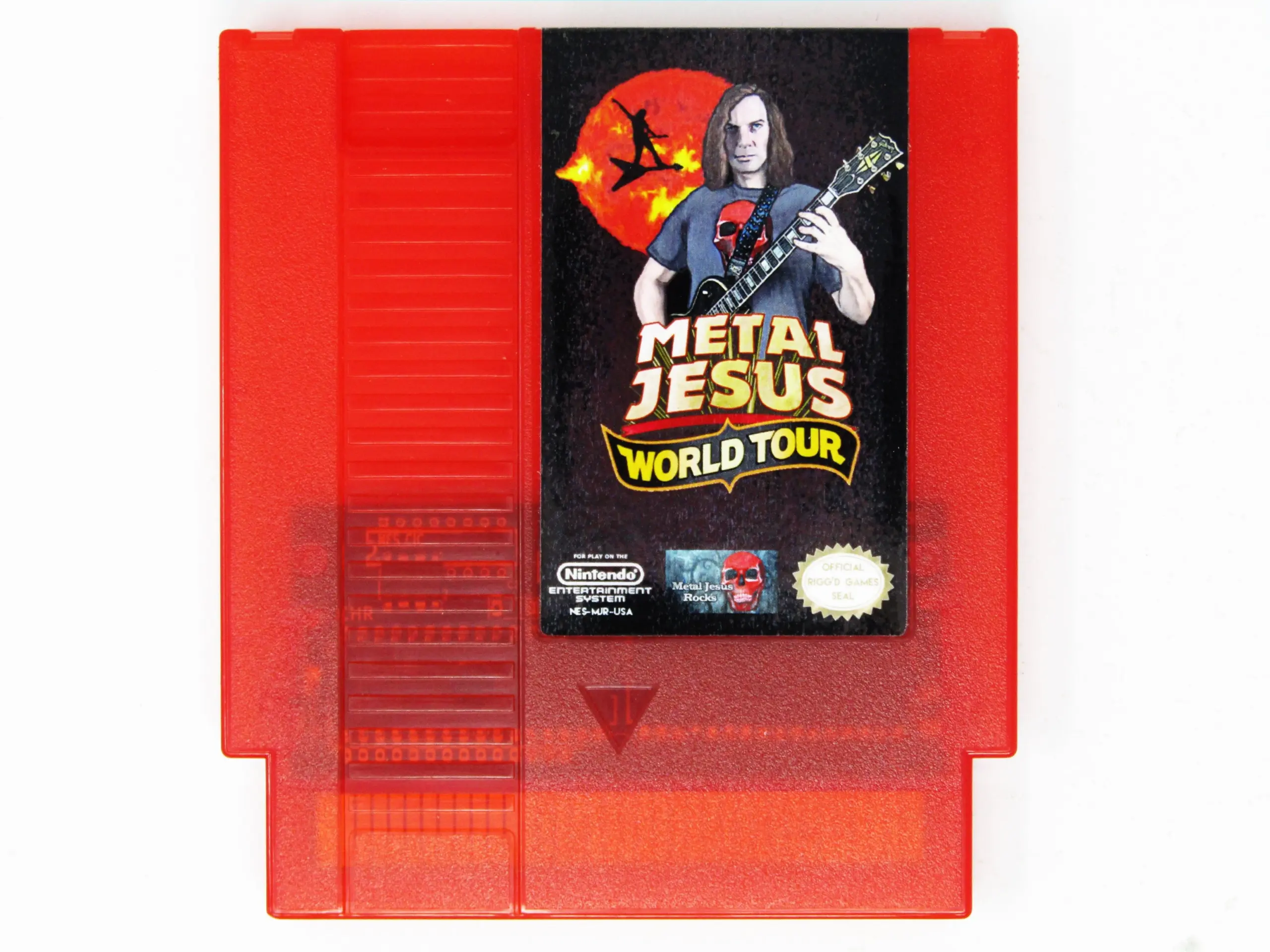
Metal Jesus Rocks remembers playing the Atari 2600 with his cousin in the early 1980s. The scene is exactly the kind of memory that explains why retro gaming stays powerful: cartridges, music, wood-panelled rooms, AC/DC records and kids pretending to be rock stars while playing games for hours.
That detail matters because retro gaming is rarely only about pixels. It is about the full environment around the game. The room, the music, the controller, the people nearby and the era all become part of the memory.
For many collectors, that is where the hobby begins. Not with value charts, sealed copies or rare imports, but with one console attached to one specific time in life.
Why YouTube Became the Right Platform
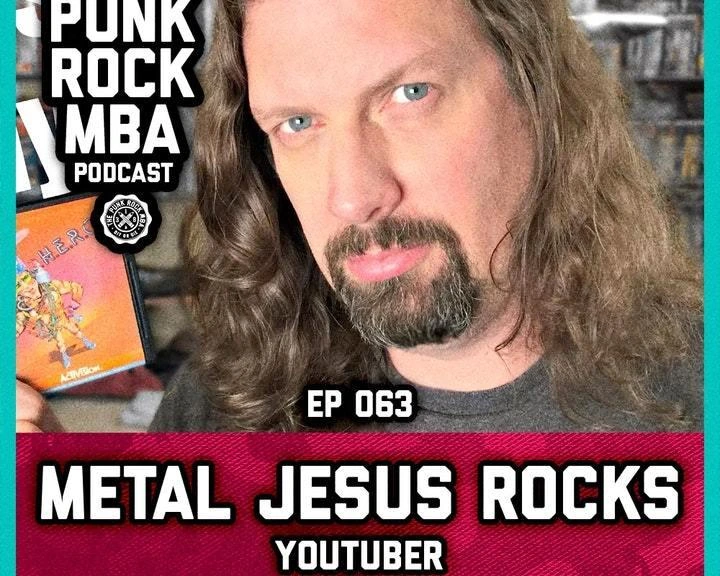
Metal Jesus Rocks has said that he loved shooting and editing video from a young age. YouTube gave him a place where that interest could meet games and music. That combination became the foundation of the channel.
This is one reason his content works. The channel is not only a catalogue of games. It has a recognizable rhythm: relaxed presentation, shelves of physical media, rock personality, collector knowledge and an easy sense that the host genuinely wants to talk about what he has found.
That kind of consistency is difficult to fake. Retro viewers tend to notice when a creator is only chasing trends. Metal Jesus Rocks built his audience by staying close to the topics he actually enjoys: physical games, overlooked titles, odd hardware, old PC memories and collecting stories.
Gaming While Creating Content

One of the more practical answers from the original interview was how he balances gaming and content creation. His answer was simple: he does both at the same time. Capturing footage is part of his process, so playing games becomes both research and enjoyment.
That is a useful reminder for anyone who wants to create gaming content. The work is not separate from the play, but it does change the way play happens. When a creator records footage, thinks about structure, checks details and prepares a recommendation, the game becomes both entertainment and material.
For a channel built around buying guides and hidden gems, that matters. Viewers are not only looking for a title list. They want the creator to have spent time with the games, noticed what makes them interesting and understood who might enjoy them.
Favourite Genre: Arcade Racing
Metal Jesus Rocks has often shown love for arcade racing games, and that preference makes sense within his wider taste. Arcade racers are immediate, stylish and easy to revisit. They also age differently from many simulation-heavy titles because the best ones are built around feel, speed, track design and repeatable fun.
That explains why recommendations like Splashdown: Rides Gone Wild still work in a retro context. A strong arcade-style game does not need to be technically modern to remain enjoyable. It needs good movement, responsive handling and enough personality to make a player want one more run.
Retro gaming often rewards exactly that kind of design. A game that knows what it wants to be can outlast a more expensive title that only looked impressive for its release year.
Collecting Advice That Still Holds Up
One of the strongest answers in the original interview was his advice to new collectors: do not collect what someone else likes just because they like it. Collect what you are genuinely passionate about.
That advice has become even more important as retro game collecting has grown more expensive and more visible. It is easy for new collectors to chase “must-own” lists, rare items or platform libraries that look impressive online. But collecting games you do not care about can turn the hobby into storage management.
The better approach is more personal. Choose a console, genre, era or series that actually means something to you. Build around games you want to play, preserve or learn from. Metal Jesus Rocks also pointed toward the PlayStation 2 as a strong starting point, and that still makes sense because the PS2 library is massive, varied and full of affordable discoveries alongside famous classics.
Rare and Strange Collection Pieces
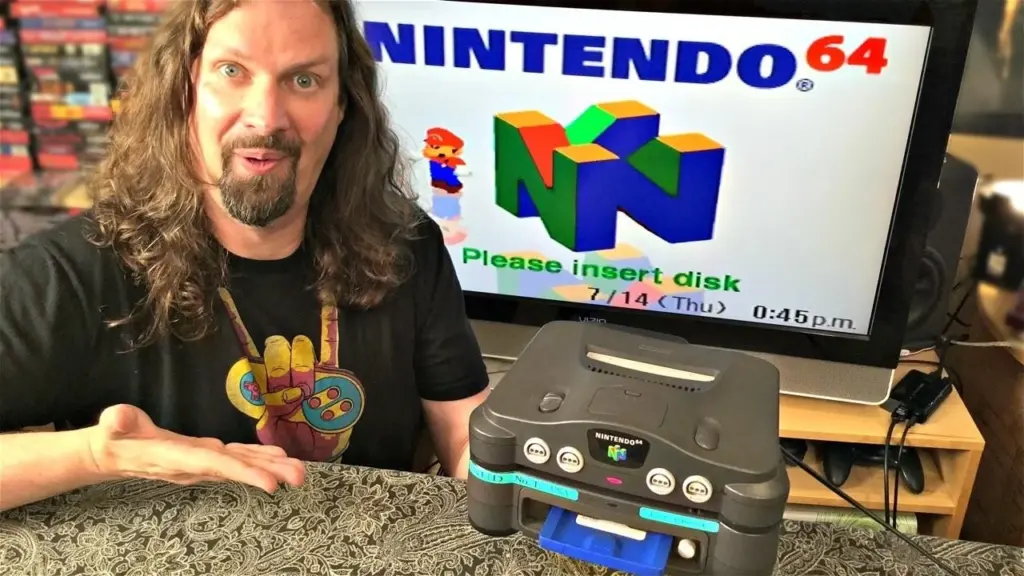
The original interview included one of the most memorable collector details: a Nintendo 64 DD USA prototype add-on. The 64DD itself is already one of Nintendo’s strangest hardware stories, but a USA prototype version makes the item feel almost unreal.
This kind of object is why game collecting can become historical rather than merely decorative. Rare hardware often tells a story about plans that changed, markets that shifted or ideas that never reached players properly.
He also mentioned a one-off Atari 2600 Walkman-style prototype, an FPGA-based Atari built into the shape of a Sony Walkman. That is exactly the kind of strange, handcrafted object that sits at the intersection of retro hardware, fan engineering and collector culture.
These items are interesting not only because they are rare, but because they show how playful the gaming community can be when preservation and creativity overlap.
The Metal Jesus Crew and Seattle Retro Gaming
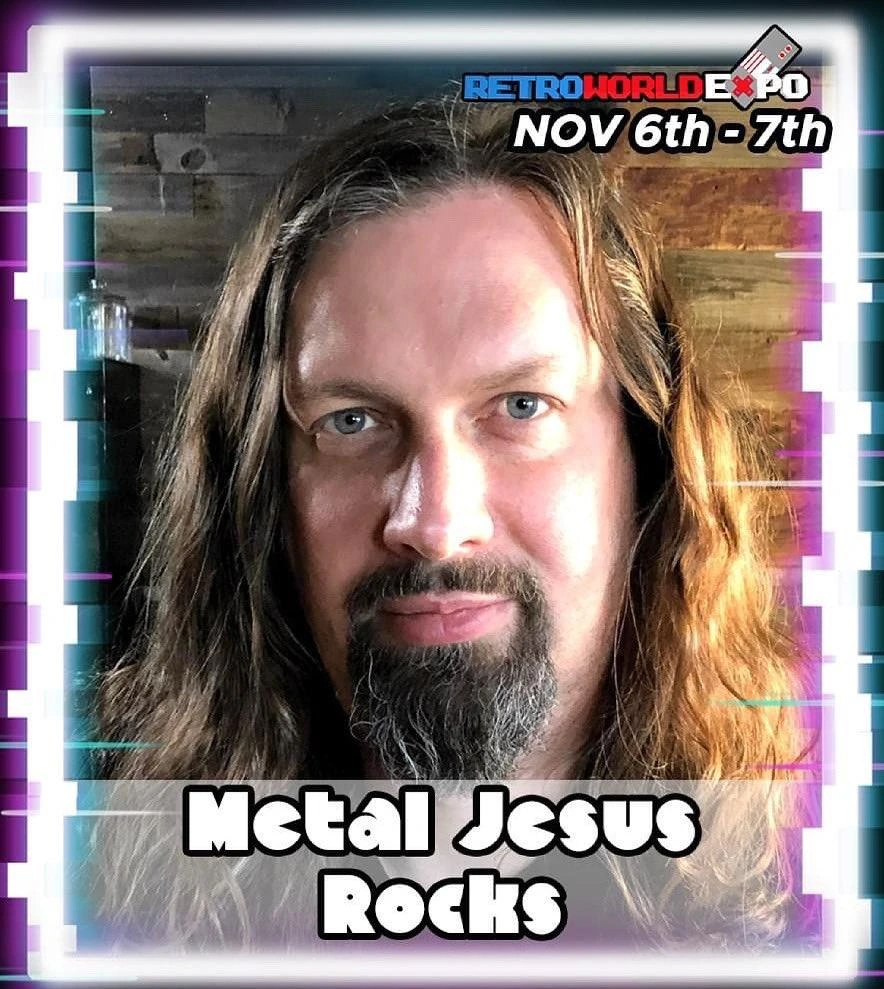
The Metal Jesus Crew is part of what made the channel feel less isolated than many creator projects. Instead of being only one person in a room talking to a camera, the channel often reflects a wider community of collectors, friends and retro gaming personalities.
The Seattle area is important here. Metal Jesus Rocks has described the crew as coming from the local retro gaming scene through expos, stores, friends and community activity. That local foundation gives the videos a social texture. It is not just collecting as a private hobby; it is collecting as a shared culture.
That is also why the channel works well for viewers outside the United States, including readers in India. A good retro gaming community story travels. Even if the stores, expos and regional details differ, the feeling is familiar: people meeting through games, trading recommendations and keeping old systems alive.
Fan Experiences and Creator Visibility
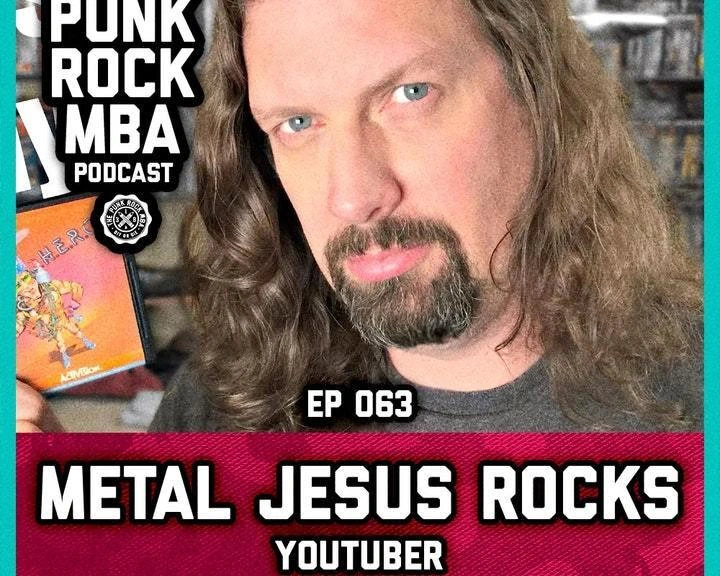
The original interview also touched on what happens when a niche creator becomes widely recognizable. Metal Jesus Rocks mentioned being recognized in public because of his height, long hair, rock shirts and distinctive look.
That is part of the unusual position gaming creators occupy. They are not traditional celebrities, but their audiences often feel personally connected to them because YouTube content is intimate and recurring. Viewers spend years watching a creator’s room, collection, friends, pets, jokes and recommendations.
The stranger side of that visibility also appeared in the original interview, including a fan message asking to live with him and be adopted. It is funny in the way odd internet stories are funny, but it also shows how strong parasocial attachment can become around long-running creators.
Hidden Gem Recommendations
When asked to recommend a lesser-known game, Metal Jesus Rocks jokingly pointed to Britney’s Dance Beat on PS2 before giving more serious recommendations: Splashdown: Rides Gone Wild and Kim Possible: What’s the Switch.
Those choices show why his hidden gem content works. They are not the usual safe picks. Splashdown: Rides Gone Wild speaks to his arcade racing taste, while Kim Possible: What’s the Switch highlights a licensed 2.5D platformer that many players might dismiss without trying.
That is the value of a strong hidden gem recommendation. It does not simply name an obscure game. It gives players a reason to reconsider something they might have skipped.
Why Metal Jesus Rocks Still Matters
Metal Jesus Rocks remains important because retro gaming needs voices that understand both the games and the culture around them. Buying guides help new collectors avoid confusion. Hidden gem videos rescue forgotten titles from being buried. Game room tours show the physical side of the hobby. Sierra-related content keeps a part of PC gaming history visible to people who may have missed it.
His official site still highlights categories such as hidden gems, buying guides, system reviews, PC games, music, game collection content and travel videos, which shows how broad the project has become while staying connected to retro gaming.
For Gaming Purists News, the value of this interview is not only that it features a popular creator. It captures a particular kind of gaming personality: someone shaped by old consoles, PC history, music, collecting, local community and the simple pleasure of telling people about games they might have missed.
Retro gaming survives because people keep explaining why old games still matter. Metal Jesus Rocks has spent years doing exactly that.